Tips & Advice From Foot & Ankle Associates of Southern NH
Plantar Warts: Why They Hurt & When to See a Podiatrist
Understanding Plantar Warts: What They Are and Why They Hurt
If you’ve ever experienced the discomfort of a plantar wart, you know how significantly it can affect your daily activities. At Foot & Ankle Associates of Southern NH in Derry, New Hampshire, we understand that a plantar wart is more than just a simple skin growth—it can be a source of persistent pain that hinders your quality of life. This post aims to provide a comprehensive overview of plantar warts, including their causes, symptoms, and effective treatment options.
What Causes Plantar Warts?
Plantar warts, medically known as verrucas, are benign skin growths caused by the human papillomavirus (HPV). The virus enters through small cuts or abrasions on the underside of the foot. Here are some key points regarding their development:
- The virus thrives in warm, moist environments such as swimming pools, locker rooms, and communal showers.
- Once infected, the wart can slowly grow inward due to the pressure applied when standing or walking, leading to discomfort and pain.
- It’s common for adolescents and children to be more susceptible, although any individual can contract the virus.
How Can I Recognize a Plantar Wart?
Identifying a plantar wart can be straightforward if you know what to look for. Common characteristics include:
- A rough, raised area on the bottom of the foot
- Small dark spots, which represent tiny blood vessels
- Thickened skin surrounding the wart, often interrupting the normal skin lines
- Pain that can feel like walking on a pebble or a tack, particularly while bearing weight
However, many foot lesions can resemble plantar warts, which emphasizes the importance of a professional evaluation by a podiatrist.
When Should I See a Podiatrist for Plantar Warts?
While some plantar warts may resolve on their own, it’s advisable to consult a podiatrist if:
- The wart is painful, particularly when standing or walking.
- It shows signs of growth, bleeding, or changes in appearance.
- You’ve tried over-the-counter treatments without success.
- The wart has persisted for more than a few months.
Our experienced team at Foot & Ankle Associates can provide a thorough examination and tailor a treatment plan that suits your needs.
What Are the Available Treatment Options for Plantar Warts?
The approach to treating plantar warts typically involves a combination of methods. Here are some common treatments:
- Salicylic Acid: This over-the-counter treatment requires consistent application over several weeks and works by softening and peeling the wart away.
- Cryotherapy: Freezing the wart with liquid nitrogen is a common office procedure that may require multiple visits, based on the wart's size and persistence.
- Laser Therapy: This method targets and destroys the wart tissue with focused light beams.
- Swift Microwave Therapy: A novel option that uses microwave energy to eliminate the wart and minimize pain, often requiring fewer visits than traditional methods.
Every case is unique, so a discussion about these options with a qualified podiatrist is essential, especially if your plantar wart is persistent or painful.
Can Plantar Warts Be Prevented?
While not every plantar wart is preventable, adopting some good habits can minimize your risk:
- Wear flip-flops or water shoes in communal showers and pools.
- Avoid walking barefoot in public spaces.
- Practice proper foot hygiene.
- Do not pick at or scratch warts, as this can spread the virus.
FAQ About Plantar Warts
1. Can plantar warts spread to other parts of my body?
Yes, by touching an infected area and then touching another part of your body, the virus can spread.
2. Are plantar warts contagious?
Plantar warts can be spread through direct contact with the wart or indirectly through surfaces that have come into contact with the virus.
3. Why do some warts hurt while others do not?
Pain from a wart usually arises when it is pushed inward due to repetitive pressure on the foot, affecting surrounding nerve endings.
4. How long does it take to treat a plantar wart?
The duration of treatment varies; some warts may resolve quickly, while others can take several weeks or months, depending on the method used and the severity of the wart.
5. What should I do if a plantar wart bleeds?
Bleeding can indicate a more serious issue. It is essential to consult with a podiatrist, especially if you notice other symptoms like rapid growth or changes in color.
Conclusion
At Foot & Ankle Associates of Southern NH in Derry, New Hampshire, we are committed to providing the highest standard of foot care. If you are struggling with plantar warts or experiencing any foot-related issues, we encourage you to reach out. Understanding your condition and discussing tailored treatment options can significantly improve your quality of life.
Book your appointment now and take the first step towards healthier, pain-free feet!

Ask Foot & Ankle Associates of Southern NH And Their Team
Fill in the form to request a call from our team. One of our team members will call you for FREE and answer any questions or concerns you may have about your condition
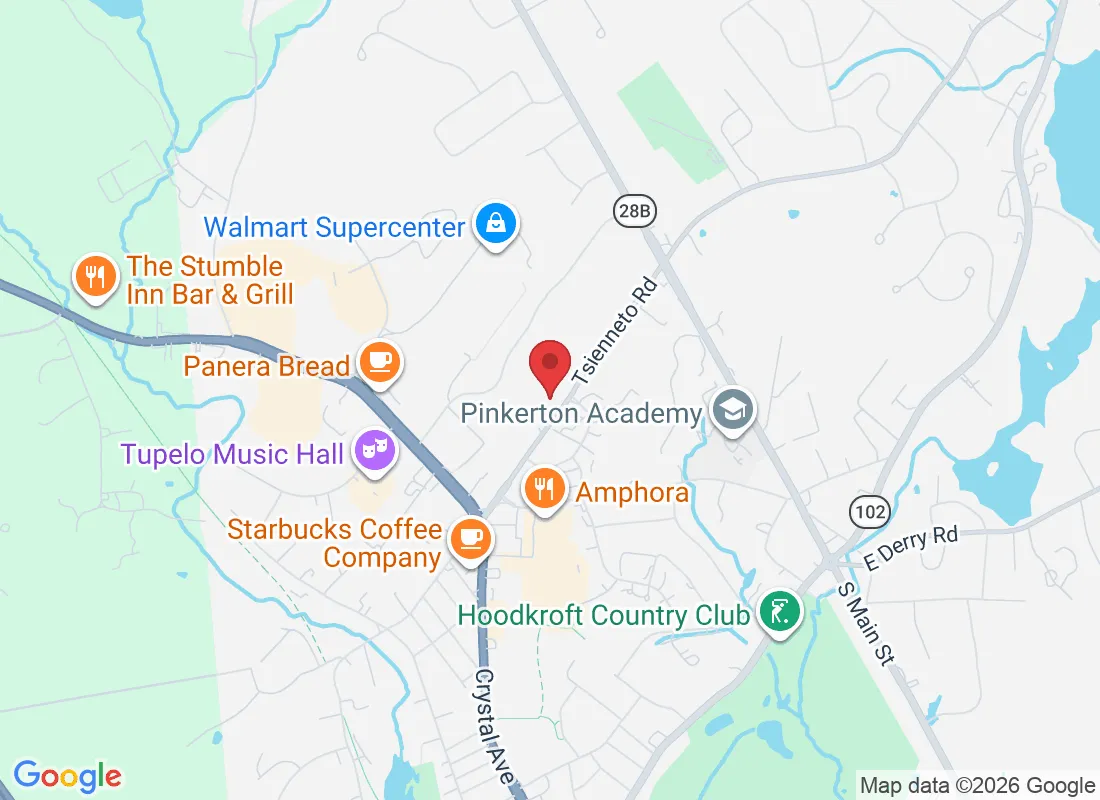
Where To Find Foot & Ankle Associates of Southern NH
If you have any questions before scheduling an appointment or for general inquiries, please use the contact us button below. Our team will promptly reach out to assist you.
Opening Hours
Monday: 8:00am – 5:00pm
Tuesday: 8:00am – 5:00pm
Wednesday: 8:00am – 2:00pm
Thursday: 8:00am – 5:00pm
Friday: 8:00am – 2:00pm
Saturday: Closed
Sunday: Closed