
Tips & Advice From Foot & Ankle Associates of Southern NH
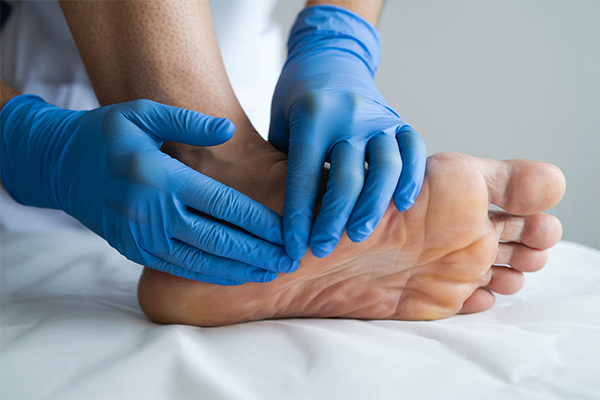
What Causes Verrucas? Derry, New Hampshire Explains
What Causes Verrucas? Derry, New Hampshire Explains
Verrucas, also known as plantar warts, are a common foot condition that can cause discomfort and embarrassment. At Foot & Ankle Associates of Southern NH in Derry, New Hampshire, we often encounter patients who seek information about the underlying causes of verrucas. Understanding this condition can empower you to take the necessary steps to prevent and treat it effectively.
What Are Verrucas?
Verrucas are benign growths caused by the human papillomavirus (HPV), specifically strains that affect the skin on the soles of your feet. They typically appear as small, rough, hardened areas with a pattern of tiny black dots, which are small blood vessels. While they are not usually harmful, they can be painful and hinder your daily activities.
What Causes Verrucas?
The primary cause of verrucas is infection by the HPV virus. This virus can enter through tiny cuts or abrasions on your foot, often in moist environments such as swimming pools, locker rooms, or communal showers. Some key factors contributing to the development of verrucas include:
- HPV Infection: The strain of HPV that leads to verrucas is typically transmitted through direct contact with contaminated surfaces or skin.
- Weakened Immune System: Individuals with weakened immune systems, such as those with diabetes or autoimmune disorders, are at higher risk of developing verrucas.
- Moist Environments: HPV thrives in warm, damp places. Walking barefoot in public humid areas increases the likelihood of exposure.
- Personal Habits: Sharing personal items like shoes or towels with someone who has verrucas may facilitate the spread of HPV.
Who Is at Risk for Verrucas?
While anybody can get verrucas, certain groups are more susceptible. These include:
- Children and Adolescents: Younger individuals are often more prone to getting verrucas due to their active lifestyles and frequent exposure to communal areas.
- Individuals With Damp Feet: Conditions that lead to consistently wet feet, such as excessive sweating or wearing tight shoes, can increase your risk.
- Immunocompromised Patients: People undergoing chemotherapy, those living with HIV, or those taking immunosuppressive medication may have a higher likelihood of contracting HPV.
How Can I Treat Verrucas?
If you suspect you have verrucas, several treatment options are available:
- Over-the-Counter Treatments: Products containing salicylic acid can help peel away verruca layers over time.
- Freezing Therapy (Cryotherapy): A healthcare provider can apply liquid nitrogen to freeze the verruca, causing it to fall off eventually.
- Electrosurgery: This procedure involves using electricity to remove the verruca and may be recommended for persistent cases.
- Laser Treatment: In severe cases, a laser can effectively eliminate the verruca, particularly when other treatments fail.
How Can I Prevent Verrucas?
Prevention is key in managing verrucas. Here are some steps you can take:
- Avoid Walking Barefoot: Use sandals or water shoes in communal areas such as swimming pools and gyms.
- Keep Feet Dry: Ensure your feet are dry and clean, especially between the toes, to discourage HPV growth.
- Avoid Sharing Personal Items: Do not share shoes, socks, or towels, especially with anyone who has verrucas.
- Maintain Good Hygiene: Regularly wash your feet and check for any unusual growths or changes in your skin.
When Should I See a Podiatrist?
If you notice growths on your feet that cause pain, change in color, or do not respond to home treatments, it’s essential to consult a healthcare provider. At Foot & Ankle Associates of Southern NH, our experienced podiatrists can assess your condition and recommend the best treatment plan tailored to your needs.
Frequently Asked Questions (FAQ)
- Are verrucas contagious?
Yes, verrucas can spread through direct contact with the virus, such as touching an infected area or walking barefoot on contaminated surfaces.
- Can verrucas be prevented?
While complete prevention may not be possible, good foot hygiene and avoiding moist, communal areas can significantly reduce the risk.
- How long do verrucas last?
Verrucas can last for months or even years if left untreated, but they may resolve spontaneously in some cases.
- Can I treat verrucas at home?
Yes, over-the-counter treatments containing salicylic acid can help, but it's advisable to seek professional help for more severe cases.
- What happens if a verruca is left untreated?
While verrucas are not dangerous, untreated cases can cause discomfort and may lead to further skin complications.
Contact Us
If you are dealing with verrucas or have any foot-related concerns, our team at Foot & Ankle Associates of Southern NH is here to help. We offer comprehensive evaluations and tailored treatments in Derry, New Hampshire. Book your appointment today to find relief and restore your foot health.

Ask Foot & Ankle Associates of Southern NH And Their Team
Fill in the form to request a call from our team. One of our team members will call you for FREE and answer any questions or concerns you may have about your condition
Where To Find Foot & Ankle Associates of Southern NH
If you have any questions before scheduling an appointment or for general inquiries, please use the contact us button below. Our team will promptly reach out to assist you.
Opening Hours
Monday: 8:00am – 5:00pm
Tuesday: 8:00am – 5:00pm
Wednesday: 8:00am – 2:00pm
Thursday: 8:00am – 5:00pm
Friday: 8:00am – 2:00pm
Saturday: Closed
Sunday: Closed