Tips & Advice From Foot & Ankle Associates of Southern NH
Why Your Achilles Pain Keeps Coming Back — 5 Reasons It Won’t Settle Down
Understanding Recurring Achilles Tendon Pain
If you've experienced Achilles pain that comes and goes, you're not alone. At Foot & Ankle Associates of Southern New Hampshire in Derry, New Hampshire, we often see patients struggling with this common issue. In today's post, we'll explore the five main reasons why your Achilles pain might keep returning and how you can effectively manage it.
What Causes Recurring Achilles Pain?
The Achilles tendon, which connects your calf muscles to your heel bone, is essential for activities like walking, running, and jumping. Understanding why pain recurs is critical for developing an effective treatment plan. Here are five common reasons:
1. Rapid Changes in Workload
When you suddenly increase the demands placed on your Achilles tendon, whether through increased running mileage or more time spent on your feet at work, the tendon may not be ready to handle the load. This overload can lead to pain that may not present itself until later in the day or the following morning.
2. Inadequate Recovery
While resting is essential when experiencing tendon pain, it's crucial to avoid extended periods of complete inactivity. A lack of progressive loading can result in your tendon being unprepared for the stress of your previous activity level upon resuming. Clinical guidelines suggest that loading exercises should be prioritized over total rest.
3. Misalignment of Treatment Plan with Pain Location
Not all Achilles pain is the same. Pain in the middle of the tendon differs significantly from pain at the heel attachment (insertional pain). Each type requires a tailored rehabilitation approach that accurately aligns with your symptoms, footwear, and activity demands.
4. Returning to Activity Prematurely
Feeling better does not mean that your tendon is fully recovered. Many patients make the mistake of jumping back into their routine too quickly, which can exacerbate their condition. Gradual progression and monitoring of symptoms post-activity are key to a successful recovery.
5. Underlying Conditions and Missed Diagnoses
Persistent Achilles pain can also stem from other contributing factors such as calf tightness, limited ankle motion, or even certain medications. A thorough assessment at our clinic can help identify these underlying issues and ensure that the right treatment plan is in place.
How Can I Treat My Achilles Pain Effectively?
Managing recurring Achilles pain involves a multifaceted approach:
- Assess your activity level and gradually increase load on your tendon.
- Incorporate tailored rehabilitation exercises supervised by a health professional.
- Address any underlying biomechanical issues that may be contributing to your pain.
- Monitor your symptoms closely and adjust your activity as needed.
It's essential to remember that each treatment plan should be unique to your specific condition and lifestyle. If you’re experiencing persistent Achilles pain, don’t hesitate to consult with a healthcare provider for a comprehensive evaluation.
What Are the Warning Signs I Should Look Out For?
While managing Achilles pain, be vigilant for some critical warning signs:
- A sudden pop or severe pain in the back of the ankle or calf
- Significant swelling or bruising
- Inability to push off normally or stand on your toes
- Pain that worsens steadily without improvement
These symptoms could indicate a more severe condition, such as an Achilles tendon tear, that requires immediate medical attention.
Frequently Asked Questions (FAQ)
1. What should I do if my Achilles pain keeps returning?
You should consult a podiatrist to assess your condition and adjust your treatment plan accordingly.
2. Can I still exercise with Achilles pain?
Gentle exercises may be permissible, but it's essential to avoid any movements that exacerbate your pain.
3. How long does it usually take to recover from Achilles tendonitis?
Recovery can take several weeks to months, depending on the severity of the condition and adherence to a tailored rehabilitation plan.
4. When should I seek medical care for my Achilles pain?
Seek medical attention if you experience a sudden increase in pain, swelling, or significant changes in mobility.
5. Are there any home remedies for Achilles pain?
While rest and ice can help, a proper diagnosis and personalized treatment plan are crucial for effective management.
Conclusion
Understanding the reasons behind your recurring Achilles pain can empower you to take control of your recovery. At Foot & Ankle Associates of Southern New Hampshire, we are dedicated to helping our patients in Derry, New Hampshire find lasting solutions. If you’re tired of dealing with Achilles pain, don’t hesitate to book an appointment with us today. Let us help you restore your foot health and get back to living pain-free!

Ask Foot & Ankle Associates of Southern NH And Their Team
Fill in the form to request a call from our team. One of our team members will call you for FREE and answer any questions or concerns you may have about your condition
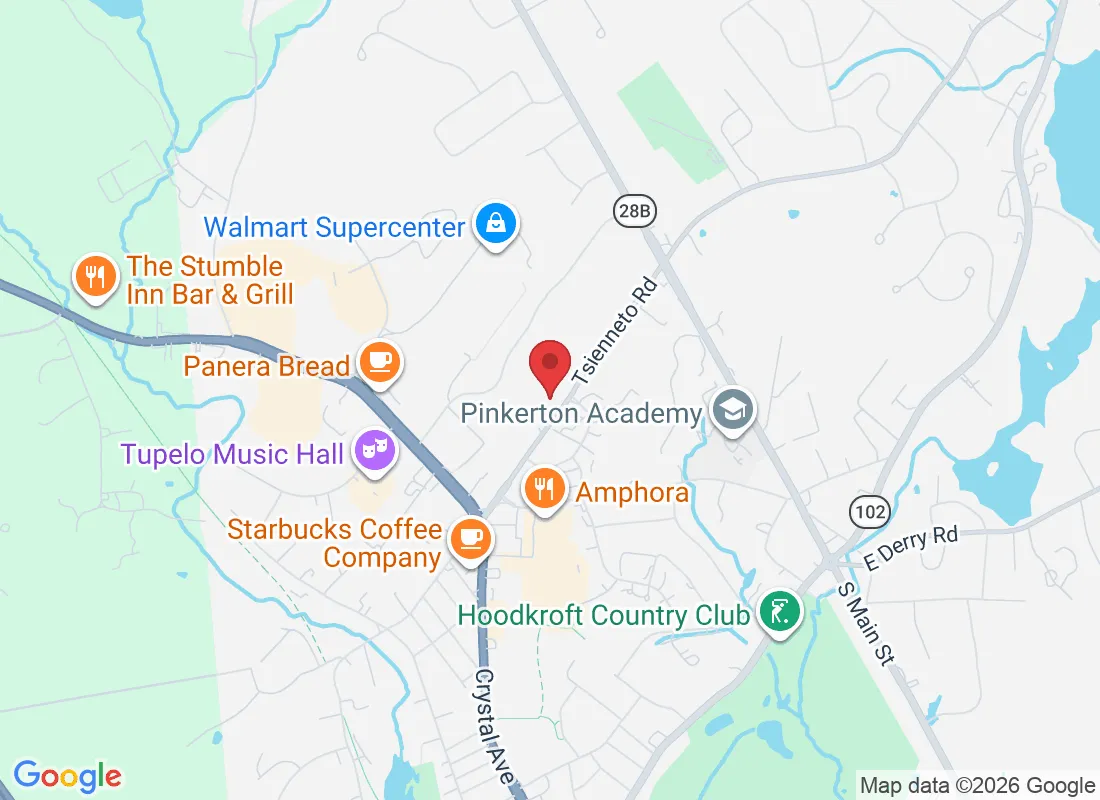
Where To Find Foot & Ankle Associates of Southern NH
If you have any questions before scheduling an appointment or for general inquiries, please use the contact us button below. Our team will promptly reach out to assist you.
Opening Hours
Monday: 8:00am – 5:00pm
Tuesday: 8:00am – 5:00pm
Wednesday: 8:00am – 2:00pm
Thursday: 8:00am – 5:00pm
Friday: 8:00am – 2:00pm
Saturday: Closed
Sunday: Closed