Tips & Advice From Foot & Ankle Associates of Southern NH

Fungal Nails: Are You Using the Right Treatment?
Understanding Fungal Nails
Fungal nail infections, known clinically as onychomycosis, are a common condition that affects many individuals. At Foot & Ankle Associates of Southern NH in Derry, New Hampshire, we often see patients struggling with the unpleasant symptoms and aesthetics of fungal nails. It is essential to understand the causes, symptoms, and effective treatment options to regain healthy nails.
What Causes Fungal Nails?
Fungal nail infections are primarily caused by dermatophytes, a type of fungus, although yeasts and molds can also be responsible. Several factors can increase the risk of developing fungal nails:
- Age: Older adults have a higher prevalence due to reduced circulation and slower nail growth.
- Trauma: Injury to the nail can create an entry point for fungi.
- Nail Conditions: Pre-existing conditions such as psoriasis can predispose individuals to infections.
- Moist Environments: Fungi thrive in warm, moist environments, making public places like pools and communal showers high risk.
- Compromised Immune System: Conditions such as diabetes or immune deficiencies can increase susceptibility.
How Do I Know If I Have Fungal Nails?
Symptoms of fungal nails can vary but typically include:
- Discoloration of the nails, often yellow or brown.
- Thickened nail texture.
- Crumbly or brittle appearance.
- Separation of the nail from the nail bed.
- Unpleasant odor.
If you are experiencing these symptoms, it’s essential to seek evaluation from a qualified podiatrist at Foot & Ankle Associates of Southern NH for an accurate diagnosis.
How Can I Treat Fungal Nails?
Treatment options for fungal nails can vary based on the severity of the infection. Here are the most common approaches:
- Topical Antifungals: Creams and solutions applied directly to the affected nail; they may take weeks or months to show improvement.
- Oral Antifungals: Medications like terbinafine or itraconazole help combat infection from the inside; these treatments require monitoring for side effects.
- Laser Therapy: This innovative option targets fungal cells with focused light, helping to eliminate the infection with minimal discomfort.
- Surgical Intervention: In severe cases, partial or complete nail removal may be necessary to clear the infection.
Choosing the right treatment depends on several factors, including the extent of the infection and overall health. At Foot & Ankle Associates of Southern NH, we can help you determine the best course of action tailored to your needs.
Can Fungal Nails be Prevented?
While not all fungal nail infections can be prevented, certain steps can significantly reduce your risk:
- Keep feet clean and dry, especially after exposure to moisture.
- Wear breathable footwear and moisture-wicking socks.
- Avoid walking barefoot in public showers or around pools.
- Regularly trim nails and practice good nail hygiene.
- Consider using antifungal powder in shoes if you are prone to infections.
When Should I See a Doctor?
If you suspect you have a fungal nail infection or if over-the-counter treatments are not effective, it is crucial to consult with a healthcare professional. Early intervention can prevent complications and help ensure successful treatment. At Foot & Ankle Associates of Southern NH, we specialize in diagnosing and treating a variety of foot conditions, including fungal nails.
FAQ
1. Are fungal nails contagious?
Fungal nails are generally not contagious, but the fungi can spread in communal settings. Taking precautions is essential to reduce the risk of infection.
2. How long does treatment for fungal nails take?
Treatment duration varies based on the selected method. Topical treatments may take several months, while oral antifungal medications typically require at least 6-12 weeks.
3. Will my nails look normal again after treatment?
With appropriate treatment, healthy nail growth can resume, and the nails can return to their normal appearance. However, it may take several months for complete recovery.
4. Can I treat fungal nails at home?
While some home remedies exist, they are often less effective than clinical treatments. It is advisable to consult with a podiatrist for the best results.
5. What are the side effects of antifungal medications?
Oral antifungals can have side effects such as liver toxicity, gastrointestinal upset, or skin reactions. Regular monitoring is essential during treatment.
Conclusion
Fungal nails can be a persistent and distressing condition, but with the right treatment, you can reclaim healthy nails. If you live in or around Derry, New Hampshire, and are experiencing symptoms of fungal nails, don't hesitate to reach out to Foot & Ankle Associates of Southern NH. Our team is here to provide expert care and effective treatment options tailored to your specific needs.
Ready to take the next step in your foot health? Book your appointment today: Schedule Now

Ask Foot & Ankle Associates of Southern NH And Their Team
Fill in the form to request a call from our team. One of our team members will call you for FREE and answer any questions or concerns you may have about your condition
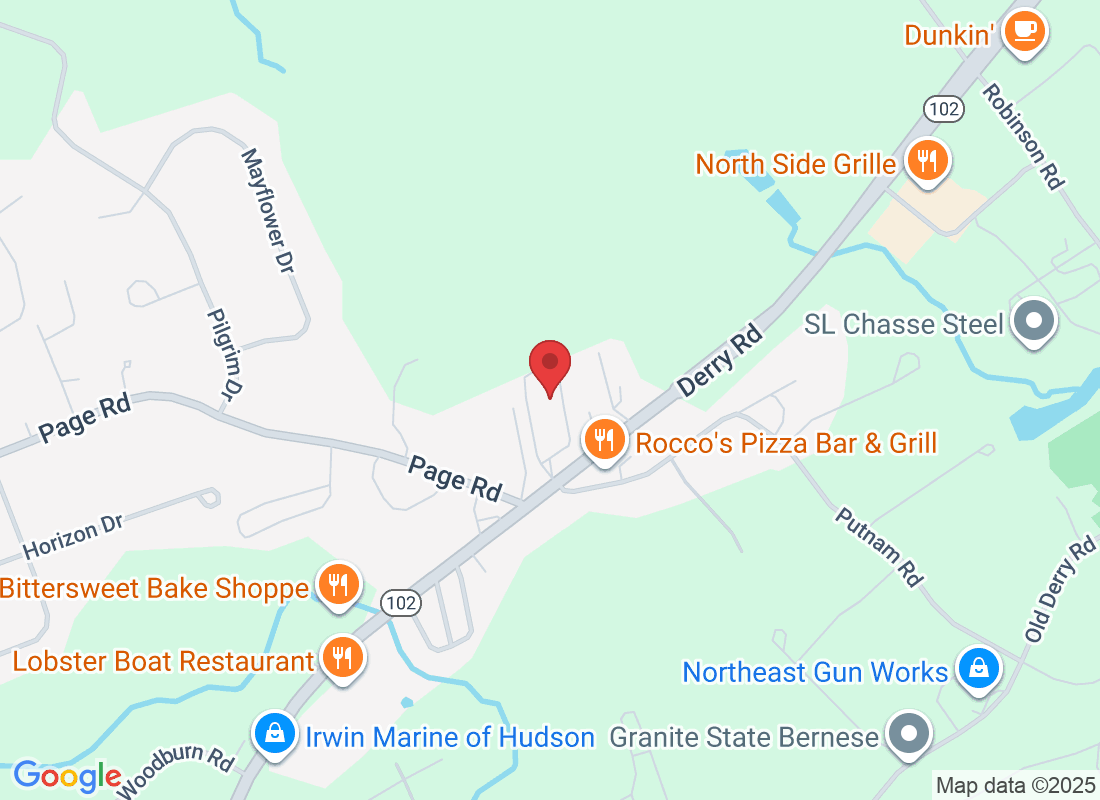
Where To Find Foot & Ankle Associates of Southern NH
If you have any questions before scheduling an appointment or for general inquiries, please use the contact us button below. Our team will promptly reach out to assist you.
Opening Hours
Monday: 8:00am – 5:00pm
Tuesday: 8:00am – 5:00pm
Wednesday: 8:00am – 2:00pm
Thursday: 8:00am – 5:00pm
Friday: 8:00am – 2:00pm
Saturday: Closed
Sunday: Closed