![US - Podiatry [SNAPSHOT]](https://images.leadconnectorhq.com/image/f_webp/q_80/r_1200/u_https://assets.cdn.filesafe.space/VcbCroJExFRPSiazqC3s/media/65ce71f752ffe97f5b3465d3.png )
Tips & Advice From Foot & Ankle Associates of Southern NH
How Do You Know If You Have a Neuroma? A Podiatrist Explains #Shorts
Understanding Neuromas: Symptoms, Diagnosis, and Treatment
If you are experiencing discomfort in your foot and wondering if you may have a neuroma, you are not alone. At Foot & Ankle Associates of Southern NH in Derry, New Hampshire, we frequently encounter patients with concerns related to this common condition. As explained in our latest video, "How Do You Know If You Have a Neuroma? A Podiatrist Explains," let’s delve into the symptoms, diagnosis, and treatment options available for managing a neuroma effectively.
What Is a Neuroma?
A neuroma, often referred to as a Morton’s neuroma when it occurs between the third and fourth toes, is a painful condition caused by a thickening of the tissue around a nerve in your foot. Unlike visible skin conditions such as warts or calluses, a neuroma does not present with any outward signs, making recognition challenging.
What Are the Symptoms of a Neuroma?
Patients with neuromas often report distinctive symptoms. The hallmark sign is the sensation of standing on a pebble or a fold in your sock. This discomfort might be accompanied by:
- Burning pain in the ball of the foot, which can radiate into the toes.
- Tingling or numbness in the toes.
- A worsening of pain while wearing shoes or walking.
- An improvement in symptoms when shoes are removed and the foot is massaged.
These symptoms can significantly affect daily activities, highlighting the importance of seeking professional advice.
How Is a Neuroma Diagnosed?
Diagnosis is primarily based on a thorough physical examination by a qualified podiatrist at our clinic. During the examination, we will:
- Palpate the foot to check for pain points or clicking between the bones, which can indicate a neuroma.
- Assess any other areas of tenderness that may mimic neuroma symptoms.
- Order X-rays to eliminate other possible conditions such as stress fractures.
While X-rays do not visualize the neuroma itself, they help rule out other issues. In some instances, an ultrasound or MRI may be necessary to confirm the diagnosis and determine the extent of nerve thickening.
What Causes a Neuroma?
The exact cause of a neuroma is often not clear, but several contributing factors have been identified:
- Excessive pressure on the foot due to high-impact activities.
- Wearing tight or ill-fitting shoes that compress the toes.
- Conditions such as flat feet or high arches, which can alter foot biomechanics.
Understanding these factors can aid in the prevention and management of neuromas.
How Can I Treat a Neuroma?
Treatment will depend on the severity of your symptoms. Initial management strategies include:
- Wearing proper footwear with ample space for the toes.
- Using custom orthotics to provide better support and relieve pressure.
- Applying ice and taking anti-inflammatory medications to manage pain and swelling.
- Physical therapy to stretch and strengthen the surrounding muscles.
If conservative treatments fail, other options such as corticosteroid injections or, in more severe cases, surgical intervention may be considered. It's essential to discuss personalized treatment plans with your podiatrist for optimal outcomes.
Frequently Asked Questions (FAQ)
1. What causes the burning sensation in my foot?
The burning sensation is due to irritation of the nerve, often caused by compression or injury, leading to inflammation and pain.
2. Can I prevent a neuroma?
Wearing well-fitting shoes and avoiding high-impact activities can help reduce the risk of developing a neuroma.
3. Is surgery necessary for all neuromas?
No, many cases respond well to conservative treatments. Surgery is typically reserved for persistent pain unresponsive to other interventions.
4. How long does recovery take after surgery for a neuroma?
Recovery can vary; however, most patients can expect to return to normal activities within a few weeks to months.
5. When should I seek medical advice for foot pain?
If you experience persistent foot pain, burning sensations, or numbness that interferes with daily activities, it’s advisable to consult a podiatrist.
Conclusion
Recognizing the signs of a neuroma is crucial for effective management. If you suspect you may have a neuroma or are struggling with foot pain, do not hesitate to reach out to Foot & Ankle Associates of Southern NH in Derry, New Hampshire. Our team is dedicated to providing compassionate, expert care tailored to your needs. Book your appointment today!

Ask Foot & Ankle Associates of Southern NH And Their Team
Fill in the form to request a call from our team. One of our team members will call you for FREE and answer any questions or concerns you may have about your condition
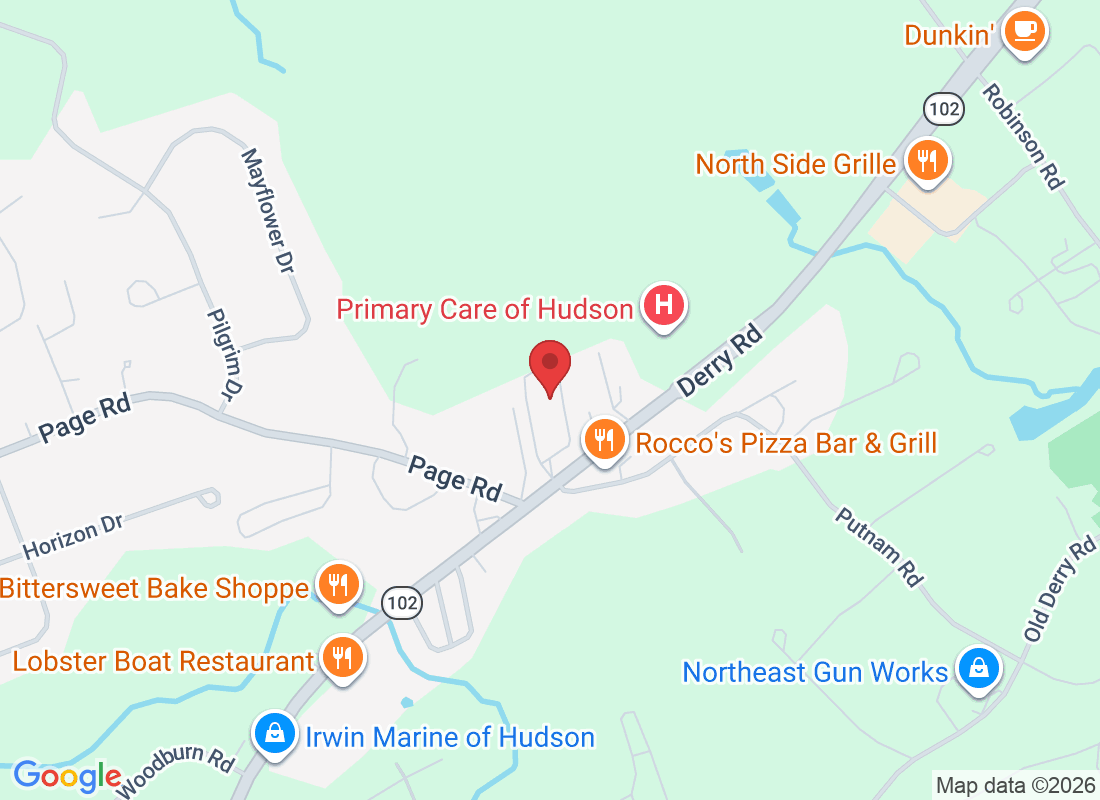
Where To Find Foot & Ankle Associates of Southern NH
If you have any questions before scheduling an appointment or for general inquiries, please use the contact us button below. Our team will promptly reach out to assist you.
Opening Hours
Monday: 8:00am – 5:00pm
Tuesday: 8:00am – 5:00pm
Wednesday: 8:00am – 2:00pm
Thursday: 8:00am – 5:00pm
Friday: 8:00am – 2:00pm
Saturday: Closed
Sunday: Closed