![US - Podiatry [SNAPSHOT]](https://images.leadconnectorhq.com/image/f_webp/q_80/r_1200/u_https://assets.cdn.filesafe.space/VcbCroJExFRPSiazqC3s/media/65ce71f752ffe97f5b3465d3.png )
Tips & Advice From Foot & Ankle Associates of Southern NH
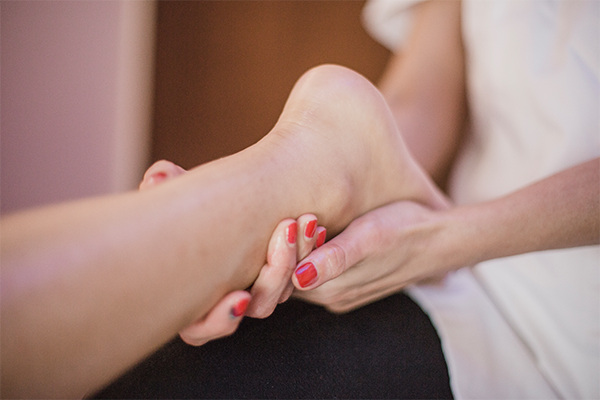
How to Stay Active Without Setbacks
Staying Active Without Setbacks: A Guide from Foot & Ankle Associates of Southern NH
At Foot & Ankle Associates of Southern NH, located in Derry, New Hampshire, we understand the importance of maintaining an active lifestyle while managing foot health. Whether you’re a seasoned athlete or someone who enjoys a casual walk, foot conditions can pose significant challenges. This comprehensive guide will explore how to remain active without experiencing setbacks, ensuring your foot health remains a priority.
What Causes Foot Pain and Injuries?
Foot pain can stem from various conditions that may limit mobility. Understanding these conditions is essential in preventing setbacks. Common causes include:
- Plantar Fasciitis: Inflammation of the plantar fascia, which can lead to heel pain.
- Achilles Tendinitis: Overuse injury affecting the Achilles tendon, resulting in pain at the back of the heel.
- Metatarsalgia: Pain in the ball of the foot due to various factors, including improper footwear.
- Flat Feet: A condition where the arches of the feet collapse, leading to foot pain and misalignment.
- Neuromas: Thickening of nerve tissue in the foot that causes sharp, burning pain.
How Can I Prevent Foot Injuries While Staying Active?
Preventing foot injuries while remaining active involves a combination of proper footwear, strengthening exercises, and mindful practices. Here’s how you can minimize the risk:
1. Choose the Right Footwear
Select shoes that fit well and provide adequate support for your specific activities. Look for:
- Good arch support for your foot type (high arch or flat)
- Appropriate cushioning to absorb shock
- Roomy toe boxes to prevent compression of the toes
2. Incorporate Strengthening and Flexibility Exercises
Exercises can strengthen the muscles in your feet and improve flexibility. Consider:
- Toe curls: Use your toes to pick up small objects.
- Calf raises: Stand on the edge of a step and slowly lower your heels to improve calf strength.
- Stretching: Regularly stretch your Achilles tendon and plantar fascia to maintain flexibility.
3. Warm Up and Cool Down
Always prepare your body for physical activity. A proper warm-up increases blood flow to the muscles and minimizes injury risk. Cooling down helps prevent stiffness and promotes recovery.
4. Listen to Your Body
Pay attention to pain signals. If you experience pain during activity, stop and assess the situation. Continuing despite discomfort can exacerbate injuries.
How Can I Treat Foot Injuries at Home?
If you do experience foot pain or injury, initial treatment options can often be managed at home:
- Rest: Give your feet time to heal by reducing activities.
- Icing: Apply ice packs to reduce swelling and ease pain.
- Elevation: Elevate your foot to decrease inflammation.
- Over-the-Counter Pain Relief: NSAIDs like ibuprofen can help manage pain and swelling.
When Should I See a Podiatrist?
While many foot conditions can be managed at home, it's crucial to seek professional help when:
- Pain persists despite home care measures.
- You notice swelling, redness, or warmth, which may indicate infection.
- You have a history of diabetes or vascular issues, where foot complications may arise.
What Are the Latest Treatments for Common Foot Conditions?
Modern podiatric treatments are continually evolving. Some of the latest options your podiatrist may recommend include:
- Custom Orthotics: Designed to fit your foot distinctly, they can help relieve pain and provide additional support.
- Physical Therapy: A structured rehabilitation program can aid recovery from injuries.
- Injections: Corticosteroid or hyaluronic acid injections may alleviate inflammation for some conditions.
- Surgical Options: In severe cases, outpatient procedures may be necessary to correct underlying issues.
FAQs
1. How can I tell if my foot pain requires medical attention?
If foot pain lasts longer than a few days, worsens, or is associated with swelling, redness, or fever, consult a podiatrist.
2. Are there specific exercises to avoid if I have foot pain?
Avoid high-impact activities like running or jumping until your foot has healed. Consult your podiatrist for tailored advice.
3. Can I wear regular shoes if I have foot problems?
It depends on your condition. Consult with our podiatrists at Foot & Ankle Associates of Southern NH for personalized recommendations.
4. Will orthotics help with my foot pain?
Custom orthotics can provide targeted support and alleviate pain from certain conditions. Schedule a consultation to see if they are right for you.
5. What should I do if I have a sports-related foot injury?
Rest and cold therapy are initial steps. Seek a professional evaluation from our team to create a rehabilitation plan.
Discover Your Path to Active Living Today!
At Foot & Ankle Associates of Southern NH in Derry, New Hampshire, we are dedicated to helping you maintain an active lifestyle while prioritizing your foot health. If you’re experiencing foot pain or have questions about injury prevention, don’t hesitate to schedule an appointment today!

Ask Foot & Ankle Associates of Southern NH And Their Team
Fill in the form to request a call from our team. One of our team members will call you for FREE and answer any questions or concerns you may have about your condition
Where To Find Foot & Ankle Associates of Southern NH
If you have any questions before scheduling an appointment or for general inquiries, please use the contact us button below. Our team will promptly reach out to assist you.
Opening Hours
Monday: 8:00am – 5:00pm
Tuesday: 8:00am – 5:00pm
Wednesday: 8:00am – 2:00pm
Thursday: 8:00am – 5:00pm
Friday: 8:00am – 2:00pm
Saturday: Closed
Sunday: Closed