![US - Podiatry [SNAPSHOT]](https://images.leadconnectorhq.com/image/f_webp/q_80/r_1200/u_https://assets.cdn.filesafe.space/VcbCroJExFRPSiazqC3s/media/65ce71f752ffe97f5b3465d3.png )
Tips & Advice From Foot & Ankle Associates of Southern NH
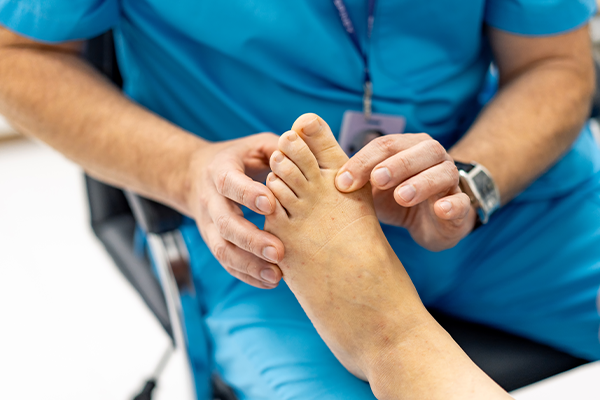
Building Better Foot Health Step by Step
Building Better Foot Health Step by Step
At Foot & Ankle Associates of Southern NH, located in Derry, New Hampshire, we understand that the foundation of your well-being starts at your feet. Proper foot health is essential for maintaining mobility and overall quality of life. Whether you're an athlete or simply on your feet all day, understanding how to care for your feet can significantly enhance your health. In this article, we’ll cover the fundamentals of foot health, common conditions, preventive care, and effective treatments to keep your feet in optimal condition.
What Causes Foot Pain?
Foot pain can stem from a variety of causes, including:
- Injuries: Fractures, sprains, and strains often occur during physical activity.
- Medical Conditions: Conditions such as arthritis, diabetes, and peripheral neuropathy can contribute to foot pain.
- Improper Footwear: Wearing shoes that do not fit well can lead to pain and deformities such as bunions and hammertoes.
- Poor Foot Mechanics: Conditions like flat feet or high arches can lead to abnormal pressure on various foot structures, causing pain.
How Can I Treat Common Foot Conditions?
Here are some common foot conditions and their respective treatments:
1. Plantar Fasciitis
Commonly known as heel pain, plantar fasciitis results from inflammation of the plantar fascia. Treatment options include:
- Rest: Avoid activities that worsen the pain.
- Stretching Exercises: Target the calf muscles and plantar fascia to relieve tension.
- Orthotics: Custom or over-the-counter arch supports can alleviate pressure.
- Corticosteroid Injections: For severe cases, injections may help reduce inflammation.
2. Bunions
Bunions are bony bumps that form at the base of the big toe. They can cause discomfort and pain from pressure caused by footwear. Treatments include:
- Footwear Modifications: Opt for wider shoes to relieve pressure.
- Padding: Use bunion pads to cushion the area.
- Surgery: In chronic or severe cases, surgical correction may be necessary.
3. Achilles Tendinitis
This condition involves inflammation of the Achilles tendon, often due to overuse. Effective treatments may include:
- Rest and Ice: Reduce inflammation and pain with ice therapy.
- Physical Therapy: Stretching and strengthening exercises can improve mobility and function.
- Heel Lifts: Slight elevation can relieve strain on the tendon.
How Can I Prevent Foot Problems?
Preventing foot problems is easier than you might think. Here are some effective strategies:
- Wear Proper Footwear: Always choose shoes that provide adequate support and fit well.
- Maintain a Healthy Weight: Reducing excess body weight decreases stress on the feet and joints.
- Practice Good Hygiene: Keeping feet clean and dry prevents fungal infections and other complications.
- Regular Foot Exams: Schedule regular check-ups with a podiatrist, especially if you have underlying health issues.
What Are Some Common Myths About Foot Health?
Understanding facts about foot health can help debunk harmful myths:
- Myth: You should ignore foot pain as it is a normal part of aging.
- Fact: Persistent pain is not normal and warrants evaluation by a healthcare professional.
- Myth: Thick corns and calluses are just unattractive; they won't cause harm.
- Fact: They can lead to pain and additional foot issues, necessitating appropriate treatment.
- Myth: Foot pain only affects athletes.
- Fact: Anyone can experience foot pain, regardless of activity level or age.
Frequently Asked Questions about Foot Health
1. What are the signs I should see a podiatrist?
Seek professional evaluation if you experience persistent pain, swelling, discoloration, or if you have difficulty walking.
2. Can foot pain be related to other health problems?
Yes, foot pain can be indicative of systemic conditions such as diabetes, arthritis, or nerve disorders.
3. How often should I get my feet examined?
Annual check-ups are recommended, especially for individuals with diabetes or those at risk of foot issues.
4. Should I be concerned about foot odor?
Foot odor can be a sign of fungal infection or poor hygiene; it's advisable to consult with a podiatrist if it persists.
5. How can I choose the right shoes for my foot type?
A consult with a podiatrist can help assess your foot type and recommend appropriate footwear suited to your needs.
Conclusion
At Foot & Ankle Associates of Southern NH in Derry, New Hampshire, we are dedicated to helping you build better foot health step by step. By understanding your feet and taking proactive steps in care, you can enhance your quality of life and avoid potential complications. If you have concerns about your foot health or would like to schedule a comprehensive foot examination, please visit our booking link to schedule your appointment today. Your feet deserve the best care!

Ask Foot & Ankle Associates of Southern NH And Their Team
Fill in the form to request a call from our team. One of our team members will call you for FREE and answer any questions or concerns you may have about your condition
Where To Find Foot & Ankle Associates of Southern NH
If you have any questions before scheduling an appointment or for general inquiries, please use the contact us button below. Our team will promptly reach out to assist you.
Opening Hours
Monday: 8:00am – 5:00pm
Tuesday: 8:00am – 5:00pm
Wednesday: 8:00am – 2:00pm
Thursday: 8:00am – 5:00pm
Friday: 8:00am – 2:00pm
Saturday: Closed
Sunday: Closed