![US - Podiatry [SNAPSHOT]](https://images.leadconnectorhq.com/image/f_webp/q_80/r_1200/u_https://assets.cdn.filesafe.space/VcbCroJExFRPSiazqC3s/media/65ce71f752ffe97f5b3465d3.png )
Tips & Advice From Foot & Ankle Associates of Southern NH

Why Warts Keep Spreading Without Treatment
Introduction
If you've ever experienced warts, you may find them to be both unwelcome and persistent. At Foot & Ankle Associates of Southern NH, located in Derry, New Hampshire, we understand the frustration and discomfort that comes with these growths. Warts are caused by the human papillomavirus (HPV) and can spread easily if not treated properly. In this article, we will delve into why warts keep spreading without treatment and what you can do to address them effectively.
What Causes Warts to Spread?
Warts occur due to an infection with HPV, which can enter the body through small cuts or breaks in the skin. Here are the primary factors related to their spread:
- Direct Contact: Warts are contagious and can spread through direct skin-to-skin contact, making it easy for them to propagate among family members or friends.
- Environmental Factors: HPV thrives in warm, moist environments, such as swimming pools, communal showers, and locker rooms. Walking barefoot in these settings can increase your risk.
- Weakened Immune System: Individuals with compromised immune systems may find that warts are more likely to develop and spread, as their bodies may struggle to combat the virus.
How Do Warts Develop?
When the HPV virus enters the skin, it triggers an overgrowth of keratin, the protein in skin cells. This leads to the formation of a wart, which can manifest in various forms, including:
- Common Warts: Typically found on fingers, hands, and elbows.
- Plantar Warts: Occur on the soles of the feet and can be painful.
- Flat Warts: Smaller and smoother, commonly appearing on the face and legs.
- Genital Warts: Transmitted through sexual contact, these warts are found in the genital area.
Why Do Warts Keep Coming Back?
Warts can recur for several reasons, including:
- Incomplete Treatment: If warts are not completely removed, they may regrow. Many over-the-counter treatments may not adequately eliminate the wart root.
- Virus Persistence: HPV can remain dormant in the skin, leading to further outbreaks even after initial treatment.
- Dermatological Conditions: Skin conditions like eczema can exacerbate the likelihood of wart regrowth.
How Can I Treat Warts Effectively?
While some warts may resolve on their own, effective treatment is often necessary to prevent further spread. At Foot & Ankle Associates of Southern NH, we recommend several treatment options:
- Cryotherapy: This involves freezing the wart with liquid nitrogen to destroy the tissue.
- Salicylic Acid: An over-the-counter treatment that gradually removes the wart layer by layer.
- Laser Therapy: This can be used for resistant warts, utilizing light to eliminate the wart effectively.
- Electrosurgery: This technique uses electricity to cut away the wart.
Consulting a podiatrist is important for determining the most effective treatment based on your specific needs and the type of wart you have.
What Preventive Measures Can Help?
Preventing the spread of warts involves both personal hygiene and lifestyle choices:
- Avoid Direct Contact: Resist picking at warts and avoid direct contact with others’ warts.
- Footwear: Wear sandals in communal showers and swimming pools to avoid HPV exposure.
- Strengthen Your Immune System: A healthy diet, adequate sleep, and regular exercise can help keep your immune system robust.
Frequently Asked Questions (FAQ)
1. Are warts dangerous?
No, warts are generally benign and do not pose serious health risks, but they can be unsightly or uncomfortable.
2. Can warts be removed at home?
Some treatments, such as salicylic acid, can be done at home, but professional treatment is often more effective.
3. How long does it take for treatments to work?
Results can vary; some treatments may take several weeks to show improvement, while others, like cryotherapy, may work immediately.
4. Can I spread warts to my family?
Yes, warts can spread through direct contact. It's essential to avoid touching warts and to practice good hygiene.
5. Do warts come back after treatment?
In some cases, warts may return, especially if the virus remains in the skin. Professional treatment increases the chances of complete removal.
Conclusion
Warts can be a common but troublesome issue that leaves many wondering why they keep spreading without treatment. If you're struggling with warts and wish to explore effective treatment options, please contact us at Foot & Ankle Associates of Southern NH in Derry, New Hampshire. Our team of podiatrists is dedicated to providing personalized care and effective solutions for your foot health. Book your appointment today!

Ask Foot & Ankle Associates of Southern NH And Their Team
Fill in the form to request a call from our team. One of our team members will call you for FREE and answer any questions or concerns you may have about your condition
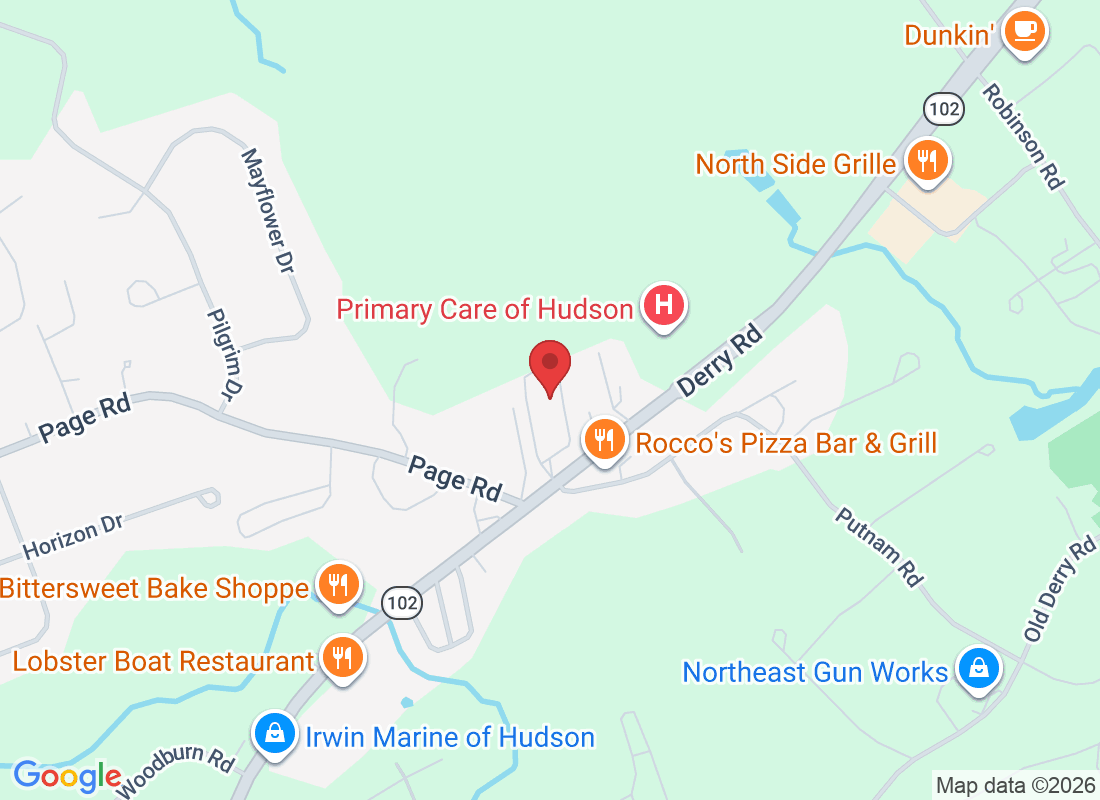
Where To Find Foot & Ankle Associates of Southern NH
If you have any questions before scheduling an appointment or for general inquiries, please use the contact us button below. Our team will promptly reach out to assist you.
Opening Hours
Monday: 8:00am – 5:00pm
Tuesday: 8:00am – 5:00pm
Wednesday: 8:00am – 2:00pm
Thursday: 8:00am – 5:00pm
Friday: 8:00am – 2:00pm
Saturday: Closed
Sunday: Closed