![US - Podiatry [SNAPSHOT]](https://images.leadconnectorhq.com/image/f_webp/q_80/r_1200/u_https://assets.cdn.filesafe.space/VcbCroJExFRPSiazqC3s/media/65ce71f752ffe97f5b3465d3.png )
Tips & Advice From Foot & Ankle Associates of Southern NH

How to Stop Toe Cramps Immediately
Introduction
Toe cramps can be an uncomfortable and often alarming experience, impacting your day-to-day activities. At Foot & Ankle Associates of Southern NH in Derry, New Hampshire, we understand how debilitating these cramps can be. This article aims to provide you with immediate strategies to stop toe cramps, as well as insights into what causes them and how to prevent future occurrences.
What Causes Toe Cramps?
Toe cramps, or muscle spasms, can occur for various reasons. Understanding these causes can help in both immediate relief and long-term prevention. Common causes include:
- Dehydration: Insufficient fluid intake can lead to muscle cramps.
- Electrolyte Imbalances: Low levels of potassium, calcium, or magnesium may trigger spasms.
- Overexertion: Excessive activity or sudden increases in physical activity can strain the toe muscles.
- Poor Circulation: Conditions restricting blood flow to the extremities can cause cramping.
- Foot Conditions: Issues such as arthritis, neuropathy, or structural problems like hammertoes can contribute.
How Can I Stop Toe Cramps Immediately?
When a toe cramp strikes, quick interventions can provide relief. Here are some effective strategies:
1. Stretching
Gently stretching the cramped muscle can help ease the spasm. To stretch your toes:
- Stand up and place your weight on the affected foot.
- Gently pull your toes upwards towards your shin.
- Hold for 15-30 seconds and repeat as needed.
2. Massage
Using your fingers to massage the cramped muscle can increase blood flow and alleviate tension. Focus directly on the affected area and apply pressure in a circular motion.
3. Apply Heat or Cold
Applying heat can relax the muscle, while cold can numb the pain. Consider:
- Heat: Use a warm towel or heating pad on the cramped toe.
- Cold: Ice wrapped in a cloth can be applied for 10-15 minutes.
4. Hydration
Drink water or a sports drink rich in electrolytes to combat dehydration. Ensuring you are properly hydrated is essential in reducing the likelihood of cramps.
5. Adjust Footwear
Wearing shoes that provide adequate support can help prevent further toe cramps. Avoid tight-fitting shoes, and consider shoes with arch support and ample toe space.
How Can I Prevent Future Toe Cramps?
While immediate relief is important, taking preventive measures can greatly reduce the frequency of toe cramps:
- Stay Hydrated: Aim for at least eight 8-ounce glasses of water daily, more if you are active.
- Balanced Diet: Ensure you get enough potassium, magnesium, and calcium in your diet through fruits, vegetables, nuts, and dairy products.
- Regular Exercise: Actual stretching and strengthening exercises for your feet and legs can enhance muscle flexibility and reduce cramping.
- Proper Footwear: Use well-fitted shoes that accommodate your foot shape and activities.
- Medical Consultation: If cramps persist, consult with a podiatrist to diagnose any underlying conditions.
When Should I See a Doctor?
If you experience frequent toe cramps or if they are accompanied by other symptoms like swelling, numbness, or chronic pain, it may be time to consult a professional. Our team at Foot & Ankle Associates of Southern NH is here to help diagnose any conditions contributing to your cramps and provide tailored treatment options.
FAQ
1. What should I do if my toe cramps during the night?
If you experience nocturnal toe cramps, try slowly stretching the cramped muscle, and consider adjusting your evening hydration and activity levels.
2. Can certain medications cause toe cramps?
Yes, some medications can contribute to muscle cramps, particularly those that affect electrolyte levels. Consult your physician if you suspect this is the case.
3. Are toe cramps serious?
In most cases, toe cramps are not serious. However, frequent cramps can indicate an underlying health issue that warrants further investigation.
4. How long do toe cramps usually last?
Toe cramps typically last a few seconds to several minutes. If cramps persist longer, it may be best to seek medical advice.
5. Can I use over-the-counter medications for cramps?
While over-the-counter pain relievers may help alleviate discomfort, addressing the root causes of toe cramps is essential for long-term relief.
Conclusion
Toe cramps can be painful and disruptive, but with immediate interventions and preventive measures, you can manage this condition effectively. If your cramps persist or worsen, don’t hesitate to seek advice from our experienced team at Foot & Ankle Associates of Southern NH in Derry, New Hampshire. We are dedicated to helping you achieve optimal foot health. Book an appointment with us today to address your foot and ankle health!

Ask Foot & Ankle Associates of Southern NH And Their Team
Fill in the form to request a call from our team. One of our team members will call you for FREE and answer any questions or concerns you may have about your condition
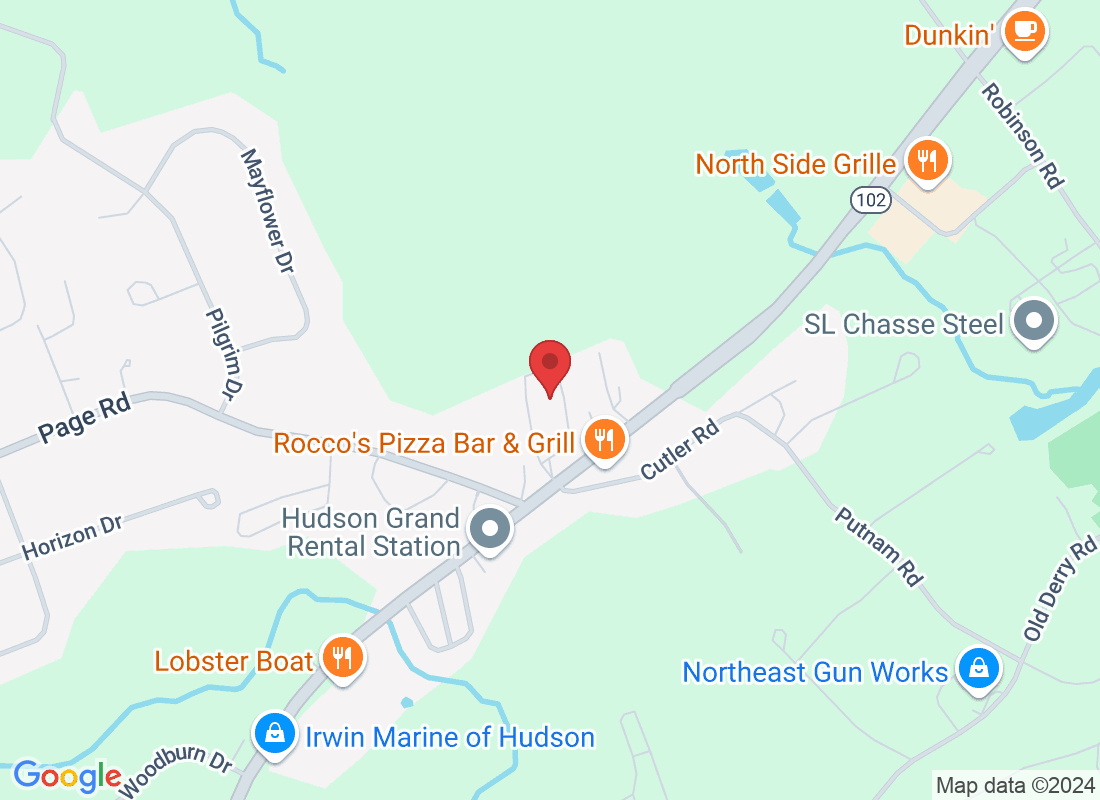
Where To Find Foot & Ankle Associates of Southern NH
If you have any questions before scheduling an appointment or for general inquiries, please use the contact us button below. Our team will promptly reach out to assist you.
Opening Hours
Monday: 8:00am – 5:00pm
Tuesday: 8:00am – 5:00pm
Wednesday: 8:00am – 2:00pm
Thursday: 8:00am – 5:00pm
Friday: 8:00am – 2:00pm
Saturday: Closed
Sunday: Closed