![US - Podiatry [SNAPSHOT]](https://images.leadconnectorhq.com/image/f_webp/q_80/r_1200/u_https://assets.cdn.filesafe.space/VcbCroJExFRPSiazqC3s/media/65ce71f752ffe97f5b3465d3.png )
Tips & Advice From Foot & Ankle Associates of Southern NH
The Smarter Way to Get Rid of Stubborn Plantar Warts for Good
Understanding and Treating Plantar Warts
If you've ever felt a painful bump on the sole of your foot resembling a small stone, you could be dealing with a plantar wart. At Foot & Ankle Associates of Southern NH, located in Derry, New Hampshire, we're dedicated to helping you eliminate these bothersome growths effectively. In this post, we discuss what causes plantar warts, why they can be hard to treat at home, and review advanced treatments available in our clinic.
What Are Plantar Warts?
Plantar warts are small, rough skin growths caused by the human papillomavirus (HPV). They typically develop on the plantar surface of the foot, which means the bottom where pressure from standing and walking may force them inward. This pressure causes the skin to thicken into a hard callus over the wart, making it painful, much like stepping on a pebble.
How Do You Get Plantar Warts?
The HPV virus thrives in warm, damp environments, making places like public swimming pools, locker rooms, and communal showers hotspots for infection. The virus enters the skin through tiny cuts or weak spots, and it is also highly contagious—spreading from person to person or from one area of the foot to another.
How Can You Identify a Plantar Wart?
Recognizing a plantar wart isn’t always straightforward. Look for the following signs:
- Small, fleshy, grainy lesions on the bottom of the foot.
- Hard, thickened skin over a well-defined spot.
- Tiny black dots within the wart, known as "wart seeds," which are really clotted blood vessels.
- Pain when squeezing the wart from the sides, contrasting with calluses that hurt when pressed directly.
If you’re unsure about the bump, our podiatry experts at Foot & Ankle Associates can provide a proper evaluation.
Why Do Home Treatments Often Fail?
Many individuals try over-the-counter treatments like freezing sprays or salicylic acid pads, but these often prove inadequate. The primary reason is that they typically do not penetrate deeply enough to reach the virus embedded in the layers of thick skin.
How Can I Treat Plantar Warts Effectively?
At Foot & Ankle Associates of Southern NH, we offer several advanced treatment options that have shown great success in eliminating stubborn plantar warts:
- Swift Therapy: This revolutionary treatment uses low-dose microwave energy to heat the infected tissue. It triggers your immune system to recognize and fight the HPV virus. Patients enjoy benefits like no needles, no anesthesia, and minimal discomfort.
- Prescription-strength Salicylic Acid: Unlike over-the-counter formulations, higher concentrations of salicylic acid can be applied in-office, often in conjunction with a home regimen to slowly peel away wart layers.
- Cryotherapy: In this method, liquid nitrogen freezes the wart, causing it to blister and die off. It may be uncomfortable during treatment and can lead to soreness afterward.
- Laser Treatment: This targeted approach uses laser therapy to destroy the tiny blood vessels feeding the wart and is most effective for stubborn cases.
- Surgical Removal: For the most resistant warts, surgical excision may be necessary. This option is generally reserved for cases where other treatments have failed.
When Should You Seek Professional Care?
It’s essential to consult with a podiatrist if you notice the following:
- The wart is painful, bleeding, or changing in color.
- You have diabetes, poor sensation in your feet, or a weakened immune system.
- The wart is multiplying or spreading.
Early intervention often leads to a faster and easier resolution. Don’t let a stubborn plantar wart keep you off your feet!
Frequently Asked Questions (FAQ)
1. What is the difference between a plantar wart and a corn?
A plantar wart usually has tiny black dots and is painful when squeezed from the sides, while a corn is typically a thickened area of skin that hurts when pressed from above.
2. Can I prevent plantar warts?
To reduce your risk, avoid walking barefoot in public areas, keep your feet clean and dry, and consider using foot protection in communal showers and pools.
3. How long does treatment take?
Treatment duration varies, but Swift therapy often requires two to four sessions spaced four weeks apart. Patients can generally resume normal activities immediately after treatment.
4. Are plantar warts contagious?
Yes, plantar warts can spread through direct contact with the virus in the environment or by touching another area of the affected foot.
5. What should I do if I’m not sure if it’s a wart?
It’s recommended to seek a professional evaluation from a podiatrist who can provide an accurate diagnosis and appropriate treatment options.
Get Help for Your Plantar Warts Today!
At Foot & Ankle Associates of Southern NH in Derry, we are dedicated to helping you eliminate plantar warts effectively with advanced and comfortable treatment options. Schedule your appointment today by visiting our booking link.
Take the first step towards pain-free feet and enjoy the relief you deserve!

Ask Foot & Ankle Associates of Southern NH And Their Team
Fill in the form to request a call from our team. One of our team members will call you for FREE and answer any questions or concerns you may have about your condition
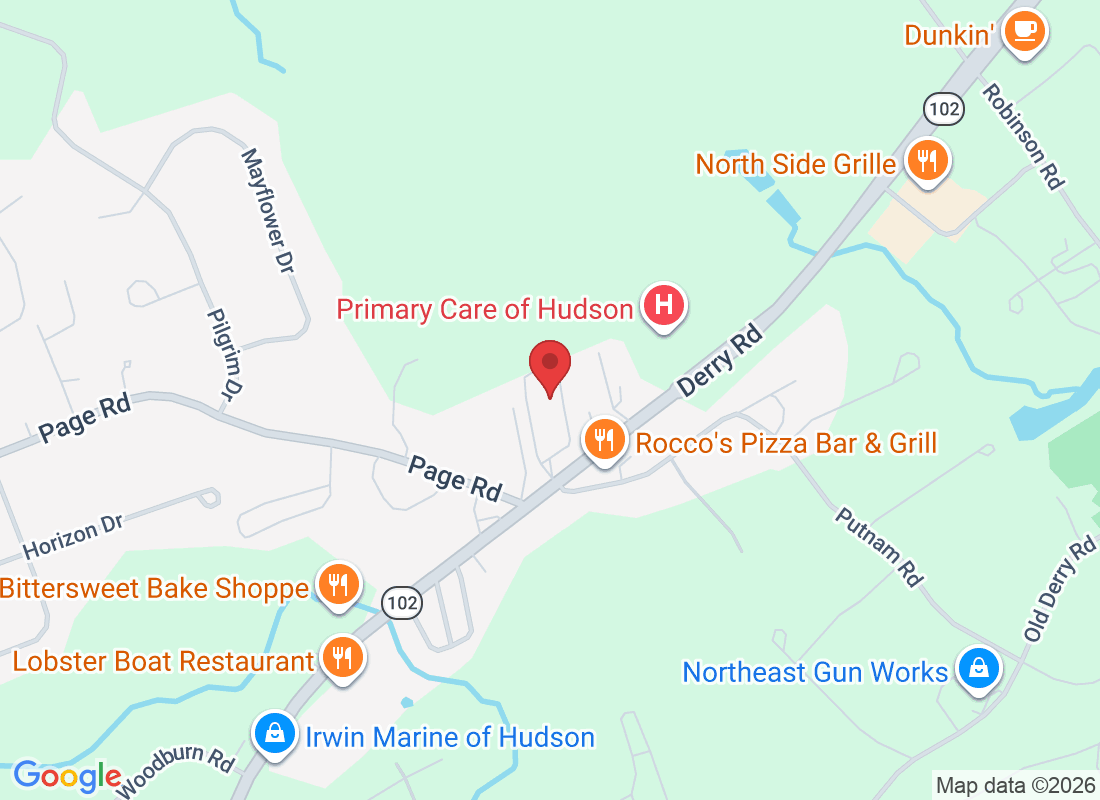
Where To Find Foot & Ankle Associates of Southern NH
If you have any questions before scheduling an appointment or for general inquiries, please use the contact us button below. Our team will promptly reach out to assist you.
Opening Hours
Monday: 8:00am – 5:00pm
Tuesday: 8:00am – 5:00pm
Wednesday: 8:00am – 2:00pm
Thursday: 8:00am – 5:00pm
Friday: 8:00am – 2:00pm
Saturday: Closed
Sunday: Closed