![US - Podiatry [SNAPSHOT]](https://images.leadconnectorhq.com/image/f_webp/q_80/r_1200/u_https://assets.cdn.filesafe.space/VcbCroJExFRPSiazqC3s/media/65ce71f752ffe97f5b3465d3.png )
Tips & Advice From Foot & Ankle Associates of Southern NH
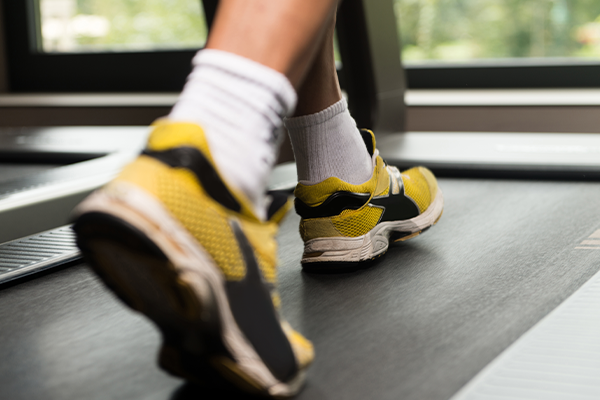
The Role of Foot Mechanics in Sports Performance
The Role of Foot Mechanics in Sports Performance
At Foot & Ankle Associates of Southern NH, located in Derry, New Hampshire, we understand that foot mechanics play a critical role in athletic performance. Proper biomechanics is essential not only for enhancing performance but also for preventing injuries. This article explores how foot mechanics affect sports performance, common foot conditions that can impede athletic ability, and effective treatments to optimize your performance.
What are Foot Mechanics?
Foot mechanics refer to the way your feet function during movement, including walking, running, and jumping. This includes factors such as:
- The alignment and movement of bones and joints in the foot
- The role of muscles and tendons
- The impact of foot anatomy on performance
When foot mechanics are functioning optimally, athletes experience improved balance, strength, and overall efficiency in their movements. Conversely, poor foot mechanics can lead to a range of issues that not only compromise performance but also lead to injuries.
How Does Foot Mechanics Affect Sports Performance?
Foot mechanics influence how forces are absorbed and distributed throughout the body during physical activity. This has several implications for athletic performance:
- Shock Absorption: The foot acts as a shock absorber. Proper mechanics help reduce the impact on joints, thus enhancing endurance and performance.
- Power Transfer: The way your foot strikes the ground can affect how power is transferred through the body, impacting speed and agility.
- Balance and Stability: Optimized foot mechanics contribute to better balance and control, crucial for sports requiring quick directional changes.
What Common Foot Conditions Affect Athletes?
Many different conditions can stem from poor foot mechanics, including:
- Plantar Fasciitis: Inflammation of the plantar fascia, causing heel pain.
- Achilles Tendinitis: Inflammation of the Achilles tendon, resulting in pain in the heel and back of the ankle.
- Flat Feet: A condition where the arch of the foot collapses, leading to instability and pain.
- Morton's Neuroma: A condition characterized by thickening of tissue around a nerve leading to the toes, causing pain and discomfort.
- Stress Fractures: Small cracks in the bone caused by repetitive force, common in sports with high-impact activities.
How Can I Treat Foot Mechanics Issues?
At Foot & Ankle Associates of Southern NH, we offer a variety of treatments tailored to improve foot mechanics and alleviate associated conditions:
- Custom Orthotics: These are designed to correct biomechanical foot issues by providing support where it's needed most.
- Physical Therapy: Targeted exercises can strengthen muscles and improve flexibility, enhancing foot function.
- Footwear Evaluation: Proper footwear is crucial. We provide recommendations for shoes that offer the necessary support for your specific sport.
- Surgical Options: In severe cases, surgical intervention may be necessary to correct structural deformities.
Understanding the mechanics of your feet can make a significant difference in your performance. Regular assessments and interventions can help keep you at the top of your game.
What Can I Do to Maintain Good Foot Health?
Good foot health is essential for lasting sports performance. Here are some tips to maintain optimal foot mechanics:
- Warm-Up Properly: Always include a proper warm-up in your routine to prepare muscles and tendons for activity.
- Strength Training: Invest time in strength training to enhance the muscles supporting your feet and legs.
- Stretch Regularly: Flexibility exercises can help maintain the range of motion in your feet and ankles.
- Listen to Your Body: Pay attention to any pain or discomfort that arises during or after activity; early intervention can prevent serious injuries.
FAQ
- What are the signs of foot mechanics issues?
Look for persistent pain, swelling, or changes in walking patterns. If you experience discomfort, consult a podiatrist. - How do I know if I need custom orthotics?
A thorough evaluation by a podiatrist can determine if custom orthotics are necessary for your specific foot mechanics and activities. - Can foot mechanics affect my knees and hips?
Yes, poor foot mechanics can lead to altered movement patterns that may cause pain or injury in the knees and hips. - What types of shoes are best for athletes?
Athletes should choose shoes that provide adequate support, cushioning, and stability tailored to their specific sport. - How often should I have my foot mechanics evaluated?
Regular evaluations are essential for athletes, especially after injuries or changes in performance levels.
In conclusion, the role of foot mechanics in sports performance is crucial. For personalized assessments and treatment options tailored to your needs, we invite you to visit Foot & Ankle Associates of Southern NH in Derry, New Hampshire. Your performance and well-being are our top priorities. Book your appointment today and take the first step towards optimizing your sports performance!

Ask Foot & Ankle Associates of Southern NH And Their Team
Fill in the form to request a call from our team. One of our team members will call you for FREE and answer any questions or concerns you may have about your condition
Where To Find Foot & Ankle Associates of Southern NH
If you have any questions before scheduling an appointment or for general inquiries, please use the contact us button below. Our team will promptly reach out to assist you.
Opening Hours
Monday: 8:00am – 5:00pm
Tuesday: 8:00am – 5:00pm
Wednesday: 8:00am – 2:00pm
Thursday: 8:00am – 5:00pm
Friday: 8:00am – 2:00pm
Saturday: Closed
Sunday: Closed