![US - Podiatry [SNAPSHOT]](https://images.leadconnectorhq.com/image/f_webp/q_80/r_1200/u_https://assets.cdn.filesafe.space/VcbCroJExFRPSiazqC3s/media/65ce71f752ffe97f5b3465d3.png )
Tips & Advice From Foot & Ankle Associates of Southern NH
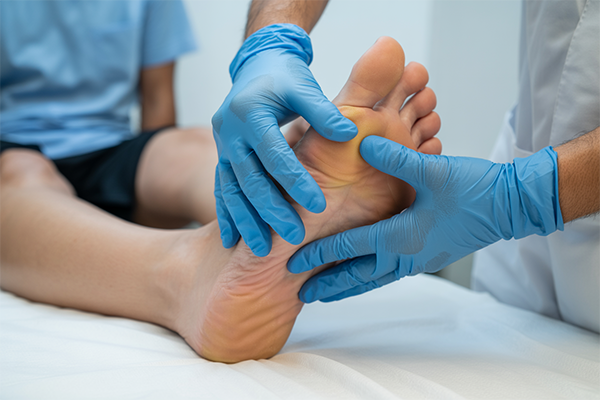
What Causes Swollen Ankles?
What Causes Swollen Ankles?
Swollen ankles can be an uncomfortable and concerning condition, affecting individuals of all ages. At Foot & Ankle Associates of Southern NH in Derry, New Hampshire, we frequently encounter patients experiencing this issue, prompting us to provide a detailed overview of the possible causes, treatments, and preventive measures associated with swollen ankles.
Understanding Swollen Ankles
Swollen ankles, medically known as peripheral edema, occur when excess fluid accumulates in the tissues surrounding the ankle joints. This condition can be caused by various factors, ranging from benign to serious medical conditions.
What Causes Swollen Ankles?
Several potential causes of swollen ankles include:
- Injury or Trauma: Injuries such as sprains or fractures can lead to localized swelling as the body responds to the injury.
- Infections: Infections in the foot or ankle, such as cellulitis, can cause swelling due to inflammation.
- Venous Insufficiency: This condition occurs when the valves in the veins of the legs fail to function properly, causing blood to pool in the lower extremities and leading to swelling.
- Heart Failure: Congestive heart failure can cause fluid to accumulate in the body, often resulting in swollen ankles and feet.
- Kidney Issues: Kidney diseases can disrupt the body’s ability to filter fluid, causing swelling in various areas, including the ankles.
- Liver Disease: Conditions such as cirrhosis can lead to fluid buildup in the abdomen and lower limbs.
- Obesity: Excess body weight can increase pressure on the veins in the legs, contributing to fluid retention.
- Pregnancy: Hormonal changes and increased fluid volume during pregnancy can lead to swelling, especially in the feet and ankles.
- Medications: Certain medications, including corticosteroids and nonsteroidal anti-inflammatory drugs (NSAIDs), may lead to fluid retention and swollen ankles.
- Prolonged Sitting or Standing: Remaining stationary for long periods can impede circulation and contribute to swelling.
How Can I Treat Swollen Ankles?
Treatment for swollen ankles depends on the underlying cause. Here are some common approaches:
- Rest and Elevation: Avoiding strenuous activities and elevating the legs can reduce swelling.
- Compression: Wearing compression stockings can help improve circulation and reduce swelling.
- Icing: Applying ice packs to the swollen area can help alleviate inflammation and discomfort.
- Medication: Over-the-counter anti-inflammatory drugs may alleviate pain and reduce swelling, while prescription medications might be necessary for managing underlying conditions.
- Physical Therapy: A physical therapist can guide you through exercises designed to improve mobility and circulation.
- Dietary Changes: Reducing salt intake can help minimize fluid retention.
When Should I See a Doctor?
If swollen ankles persist, worsen, or are accompanied by other concerning symptoms such as shortness of breath, chest pain, or severe leg pain, it is crucial to seek medical attention. Early diagnosis can lead to more effective treatment and management strategies.
Preventing Swollen Ankles
Several proactive measures can help reduce the risk of swollen ankles:
- Stay hydrated and maintain a balanced diet.
- Engage in regular physical activity to improve circulation.
- Avoid sitting or standing for prolonged periods; take breaks to move around.
- Wear comfortable shoes that provide adequate support.
- Consider compression stockings, especially if you are prone to edema.
FAQs About Swollen Ankles
- What are the first signs of swollen ankles?
Early signs include puffiness around the ankle joint and difficulty fitting into shoes. - Are swollen ankles serious?
While they can be benign, they may indicate underlying health issues that require attention. - How long does it take for swollen ankles to go down?
Recovery depends on the cause; some cases may resolve quickly, while others may take longer. - What exercises can help reduce ankle swelling?
Simple ankle flexion and calf raises can promote circulation and reduce swelling. - Can diet affect ankle swelling?
A diet low in sodium can help reduce fluid retention, potentially minimizing swelling.
Conclusion
Swollen ankles can be symptomatic of various medical conditions, and determining the underlying cause is crucial for effective treatment. At Foot & Ankle Associates of Southern NH, located in Derry, New Hampshire, we are committed to providing thorough evaluations and personalized treatment plans for our patients. If you're experiencing swollen ankles or have concerns regarding your foot health, we encourage you to schedule a visit. Book your appointment today!

Ask Foot & Ankle Associates of Southern NH And Their Team
Fill in the form to request a call from our team. One of our team members will call you for FREE and answer any questions or concerns you may have about your condition
Where To Find Foot & Ankle Associates of Southern NH
If you have any questions before scheduling an appointment or for general inquiries, please use the contact us button below. Our team will promptly reach out to assist you.
Opening Hours
Monday: 8:00am – 5:00pm
Tuesday: 8:00am – 5:00pm
Wednesday: 8:00am – 2:00pm
Thursday: 8:00am – 5:00pm
Friday: 8:00am – 2:00pm
Saturday: Closed
Sunday: Closed