![US - Podiatry [SNAPSHOT]](https://images.leadconnectorhq.com/image/f_webp/q_80/r_1200/u_https://assets.cdn.filesafe.space/VcbCroJExFRPSiazqC3s/media/65ce71f752ffe97f5b3465d3.png )
Tips & Advice From Foot & Ankle Associates of Southern NH

Overuse Injuries Explained: Why They Sneak Up on You
Introduction to Overuse Injuries
At Foot & Ankle Associates of Southern NH in Derry, New Hampshire, we frequently see patients suffering from overuse injuries—conditions that develop gradually due to repetitive stress on the foot and ankle. These injuries often sneak up on individuals, manifesting as pain, swelling, and reduced mobility over time. Understanding the causes, symptoms, and treatments of overuse injuries is crucial for effective management and prevention.
What Causes Overuse Injuries?
Overuse injuries occur when increased activity levels exceed the body’s ability to recover. Several factors contribute to this phenomenon:
- Repetitive Strain: Activities such as running, cycling, or even prolonged standing can lead to stress on muscles, tendons, and bones.
- Biomechanical Issues: Abnormal foot mechanics, such as flat feet or high arches, can predispose individuals to overuse injuries.
- Insufficient Footwear: Wearing shoes that lack proper support can exacerbate the risk of injury.
- Poor Training Practices: Sudden increases in activity, insufficient rest, or improper technique can contribute to injury.
Common Types of Overuse Injuries
Several specific conditions fall under the category of overuse injuries:
- Plantar Fasciitis: Inflammation of the plantar fascia, often causing heel pain.
- Tendinitis: Inflammation of tendons, such as Achilles tendinitis, which affects the tendon connecting the calf muscles to the heel bone.
- Stress Fractures: Small cracks in bones due to repetitive force, commonly seen in runners.
- Shin Splints: Pain along the shin bone caused by stress on the muscles and tendons.
How Can I Recognize the Symptoms?
Common symptoms of overuse injuries include:
- Localized Pain: Pain in the affected area that worsens with activity.
- Swelling: Noticeable swelling around the injury site, which may increase after physical activity.
- Stiffness: A feeling of tightness or reduced range of motion in the affected foot or ankle.
- Increased Sensitivity: Tenderness when touching the inflamed area.
How Can I Treat Overuse Injuries?
Treatment for overuse injuries typically focuses on addressing inflammation, relieving pain, and promoting healing. Options include:
- Rest: Reducing or temporarily halting activities that exacerbate the injury.
- Ice Therapy: Applying ice packs to the affected area can help reduce swelling and pain.
- Physical Therapy: Engaging in a structured rehabilitation program to improve strength and flexibility.
- Orthotics: Custom shoe inserts may help realign the foot and reduce stress on injured areas.
- Anti-Inflammatory Medications: Over-the-counter medications, like ibuprofen, can alleviate pain and reduce inflammation.
How Can I Prevent Overuse Injuries?
Preventing overuse injuries is often more manageable than treating them. Consider the following strategies:
- Gradual Progression: Increase activity levels gradually to allow your body time to adapt.
- Proper Footwear: Invest in shoes that offer adequate support and cushioning for your foot type.
- Warm-Up and Stretch: Always perform warm-up exercises before engaging in physical activity to prepare your muscles.
- Listen to Your Body: Pay attention to pain signals and take rest days seriously.
- Cross-Training: Engage in a variety of activities to decrease repetitive stress on the same muscle groups.
FAQs About Overuse Injuries
1. What should I do if I suspect an overuse injury?
If you suspect an overuse injury, it's essential to rest the affected area and consider seeking professional advice. A visit to our clinic can help provide a personalized assessment and develop an appropriate treatment plan.
2. How long does it take to recover from an overuse injury?
The recovery time varies based on the specific injury, but acute cases can often improve within a few weeks with proper care. Chronic cases may take longer and require a more comprehensive treatment approach.
3. Can I continue exercising with an overuse injury?
Continuing exercise is not always advisable, as it may exacerbate the injury. It’s best to consult with a healthcare professional to determine activities that may be safe to perform during recovery.
4. Are there any specific stretching exercises to help prevent overuse injuries?
Yes, daily stretching routines, especially for the calf muscles and plantar fascia, can be beneficial. Consult with our specialists for tailored exercises.
5. When should I seek medical attention for my foot pain?
If you experience persistent foot pain that does not improve with rest or worsens over time, it is crucial to seek medical attention. Early intervention can prevent further complications.
Conclusion
Overuse injuries may unexpectedly disrupt your daily life, but they can often be managed effectively with proper care and attention. At Foot & Ankle Associates of Southern NH in Derry, New Hampshire, we are dedicated to helping you regain your mobility and improve your foot health. If you're experiencing symptoms of an overuse injury, don’t hesitate to schedule an appointment with us today. Your journey to pain-free feet starts here!

Ask Foot & Ankle Associates of Southern NH And Their Team
Fill in the form to request a call from our team. One of our team members will call you for FREE and answer any questions or concerns you may have about your condition
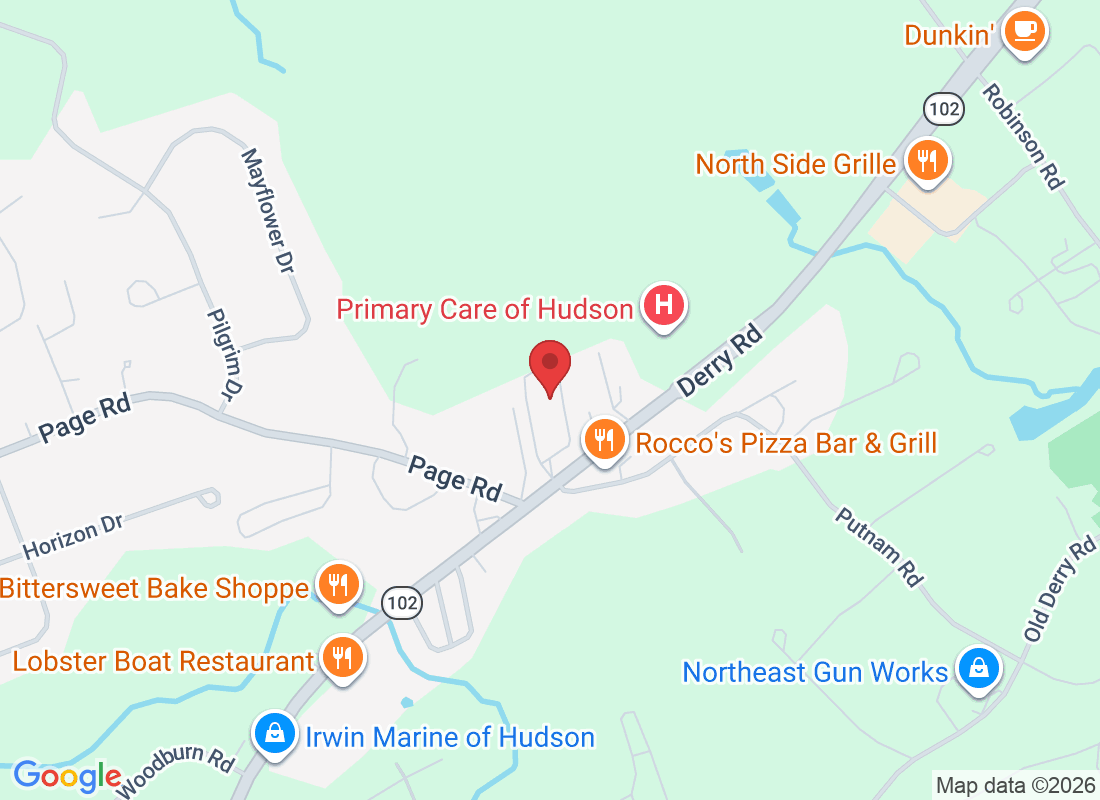
Where To Find Foot & Ankle Associates of Southern NH
If you have any questions before scheduling an appointment or for general inquiries, please use the contact us button below. Our team will promptly reach out to assist you.
Opening Hours
Monday: 8:00am – 5:00pm
Tuesday: 8:00am – 5:00pm
Wednesday: 8:00am – 2:00pm
Thursday: 8:00am – 5:00pm
Friday: 8:00am – 2:00pm
Saturday: Closed
Sunday: Closed