Tips & Advice From Foot & Ankle Associates of Southern NH

Don’t Dig Out That Ingrown Toenail – Derry, New Hampshire Advice
Understanding Ingrown Toenails
Ingrown toenails, or onychocryptosis, occur when the edges or corners of the toenail grow into the surrounding skin. This condition can cause significant discomfort and, if left untreated, can lead to infection and other complications. At Foot & Ankle Associates of Southern NH in Derry, New Hampshire, we believe it’s crucial to understand the causes and treatment options for ingrown toenails to avoid unnecessary pain and complications.
What Causes Ingrown Toenails?
- Improper Nail Trimming: Cutting nails too short or rounding the edges can encourage the nail to grow into the skin.
- Footwear: Tight-fitting shoes can apply pressure to the toes, leading to ingrown toenails.
- Genetics: Some individuals may have a hereditary predisposition to develop ingrown toenails.
- Trauma: Injuries to the toe, such as stubbing or jamming, can cause the nail to grow incorrectly.
- Fungal Infections: Conditions that affect nail health can also contribute to misgrowth.
How Can I Treat an Ingrown Toenail at Home?
If you suspect you have an ingrown toenail, it’s essential to proceed with caution before trying to manage it at home. While some treatments may provide temporary relief, improper handling can worsen the situation. Here are some recommended steps:
- Soaking: Soak your foot in warm, soapy water for 15-20 minutes to reduce swelling and ease pain.
- Antiseptic Application: After soaking, apply an over-the-counter antiseptic ointment to prevent infection.
- Proper Nail Care: Avoid cutting the ingrown part of the nail. Instead, carefully trim the nail straight across without rounding the edges.
- Padding: Use a small piece of gauze or cotton to cushion the affected area and keep the nail elevated.
When Should I See a Podiatrist?
While home remedies can be effective for minor cases, consulting a podiatrist is crucial if:
- The pain intensifies or does not improve with home treatment.
- You notice signs of infection, such as increased redness, warmth, swelling, or discharge.
- You have underlying health conditions, such as diabetes, that may complicate healing.
Professional Treatment Options for Ingrown Toenails
At Foot & Ankle Associates of Southern NH, we offer several professional treatment options tailored to your specific needs:
- Partial Nail Avulsion: In this minor surgical procedure, we remove the ingrown portion of the nail while preserving the remaining nail.
- Wedge Resection: This method involves removing a portion of the nail matrix to prevent regrowth in that area.
- Anesthesia: Our team ensures that the procedure is painless using local anesthesia.
Preventing Future Ingrown Toenails
Preventive measures can significantly reduce the risk of developing ingrown toenails. Here are some tips:
- Wear shoes that fit properly and provide ample room for your toes.
- Practice proper nail cutting techniques by cutting nails straight across and avoiding curved edges.
- Keep your feet clean and dry to avoid fungal infections.
Frequently Asked Questions (FAQ)
1. Can an ingrown toenail go away on its own?
While some mild cases may resolve independently with proper home care, many require professional intervention, especially if pain or infection develops.
2. Is removing the nail necessary?
In severe cases, partial nail removal may be required to alleviate symptoms and prevent recurrence, but this is determined on a case-by-case basis.
3. How long does it take to recover from ingrown toenail surgery?
Recovery time varies, but most individuals can expect improvement within a week. Full healing typically takes several weeks, depending on the treatment's extent.
4. Are there specific shoes to avoid with ingrown toenails?
Yes, any shoes that are tight, pointy, or excessively worn out should be avoided to minimize pressure on the toes.
5. What complications can arise from untreated ingrown toenails?
If left untreated, ingrown toenails can lead to severe infections, cellulitis, or even the need for more extensive surgical procedures.
Conclusion
If you’re experiencing symptoms of an ingrown toenail, don’t hesitate to seek professional help from the skilled team at Foot & Ankle Associates of Southern NH in Derry, New Hampshire. Early intervention can prevent complications and improve your quality of life. To book an appointment, please visit our online scheduling link.

Ask Foot & Ankle Associates of Southern NH And Their Team
Fill in the form to request a call from our team. One of our team members will call you for FREE and answer any questions or concerns you may have about your condition
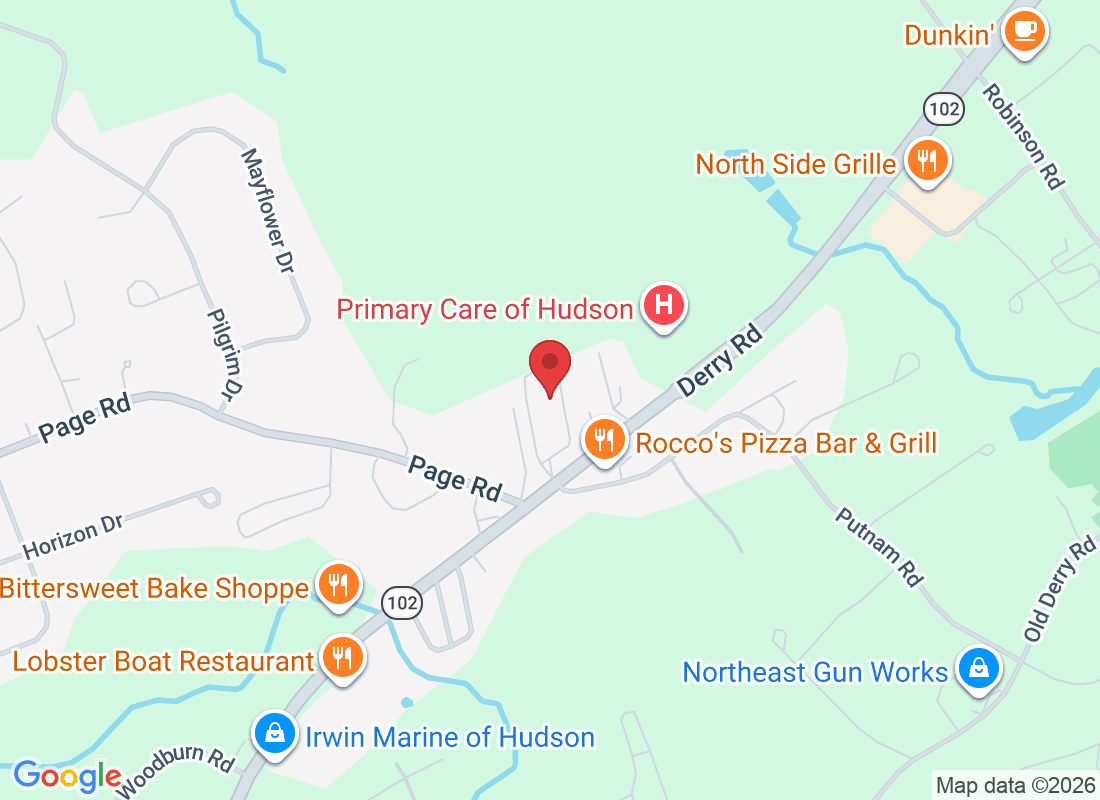
Where To Find Foot & Ankle Associates of Southern NH
If you have any questions before scheduling an appointment or for general inquiries, please use the contact us button below. Our team will promptly reach out to assist you.
Opening Hours
Monday: 8:00am – 5:00pm
Tuesday: 8:00am – 5:00pm
Wednesday: 8:00am – 2:00pm
Thursday: 8:00am – 5:00pm
Friday: 8:00am – 2:00pm
Saturday: Closed
Sunday: Closed