Tips & Advice From Foot & Ankle Associates of Southern NH
EPAT for Plantar Fasciitis: 5 Questions to Ask First
Understanding EPAT for Plantar Fasciitis
At Foot & Ankle Associates of Southern NH in Derry, New Hampshire, we frequently encounter patients struggling with plantar fasciitis, a common cause of heel pain. One treatment option that has garnered attention is Extracorporeal Pulse Activation Technology (EPAT), also known as shockwave therapy. This blog post will address the essential questions you should consider if you're contemplating EPAT for your heel pain.
What is EPAT?
EPAT is a non-surgical treatment designed to promote healing through high-energy acoustic waves. While it is not an instant pain relief procedure, many patients may begin to notice improvements after several sessions. However, it’s crucial to understand that healing takes time, and complete relief often occurs gradually over weeks or months.
Who is a Candidate for EPAT?
Generally, EPAT is suitable for individuals with persistent plantar fasciitis or plantar heel pain that has not responded to conservative treatments. Ideal candidates are those who are looking for a non-surgical approach and are willing to support their recovery through a comprehensive treatment plan. It’s vital to consult with your podiatrist, who will review your medical history and perform a thorough examination to determine if EPAT is appropriate for your condition.
What Causes Plantar Fasciitis?
Plantar fasciitis occurs when the plantar fascia, a thick band of tissue that runs across the bottom of your foot, becomes inflamed. Contributing factors can include:
- Excessive walking or standing
- Poor footwear with inadequate support
- Obesity, which increases pressure on the plantar fascia
- High-impact activities such as running or dancing
How Can I Treat Plantar Fasciitis at Home?
While undergoing EPAT, there are several self-care measures you can take to enhance the healing process:
- Use ice to reduce inflammation and pain.
- Incorporate stretching exercises for the calf and plantar fascia.
- Avoid wearing unsupportive footwear.
- Limit activities that exacerbate heel pain.
Discussing these home care strategies with your healthcare provider is essential, as they can help tailor your treatment plan to your specific needs.
What to Expect During EPAT Treatment?
Patients often wonder how many EPAT sessions will be necessary. Your podiatrist will provide a personalized recommendation based on the severity of your condition. Typical treatment plans involve several visits, and results may vary. After each session, it's essential to monitor your symptoms and communicate any concerns with your provider.
When Should I Re-evaluate My Treatment Plan?
In some cases, patients may not experience the expected improvement. It's crucial to be aware of signs indicating that your treatment plan needs adjustment, which may include:
- No improvement in symptoms after several sessions
- Increased pain following treatment
- New symptoms developing
Your podiatrist will guide you in making the required modifications to your care plan.
What are the Costs and Insurance Considerations?
Cost can vary significantly based on your location, clinic, and specific treatment plan. Before proceeding, ask about the expected costs and your insurance coverage for EPAT therapy, as some insurance providers may have specific guidelines regarding coverage.
Frequently Asked Questions (FAQs)
1. Is EPAT painful?
Most patients experience minimal discomfort during the procedure. Your provider will take measures to ensure your comfort during treatment.
2. How long does an EPAT session last?
Each EPAT session typically lasts about 15 to 30 minutes, depending on your specific condition.
3. Can EPAT be combined with other therapies?
Yes, your doctor may recommend combining EPAT with other treatments such as physical therapy or footwear evaluation for maximum benefit.
4. How soon will I see results from EPAT?
While some patients notice improvements quickly, others may take several weeks to experience significant relief.
5. Where can I get EPAT therapy in Derry, NH?
Foot & Ankle Associates of Southern NH offers EPAT therapy as part of a comprehensive treatment program for heel pain. Schedule a consultation today.
Book Your Appointment Today!
If you're struggling with plantar fasciitis and are considering EPAT therapy, contact Foot & Ankle Associates of Southern NH. Our dedicated team is here to help you recover effectively and get back to your daily routine. Book your appointment now!

Ask Foot & Ankle Associates of Southern NH And Their Team
Fill in the form to request a call from our team. One of our team members will call you for FREE and answer any questions or concerns you may have about your condition
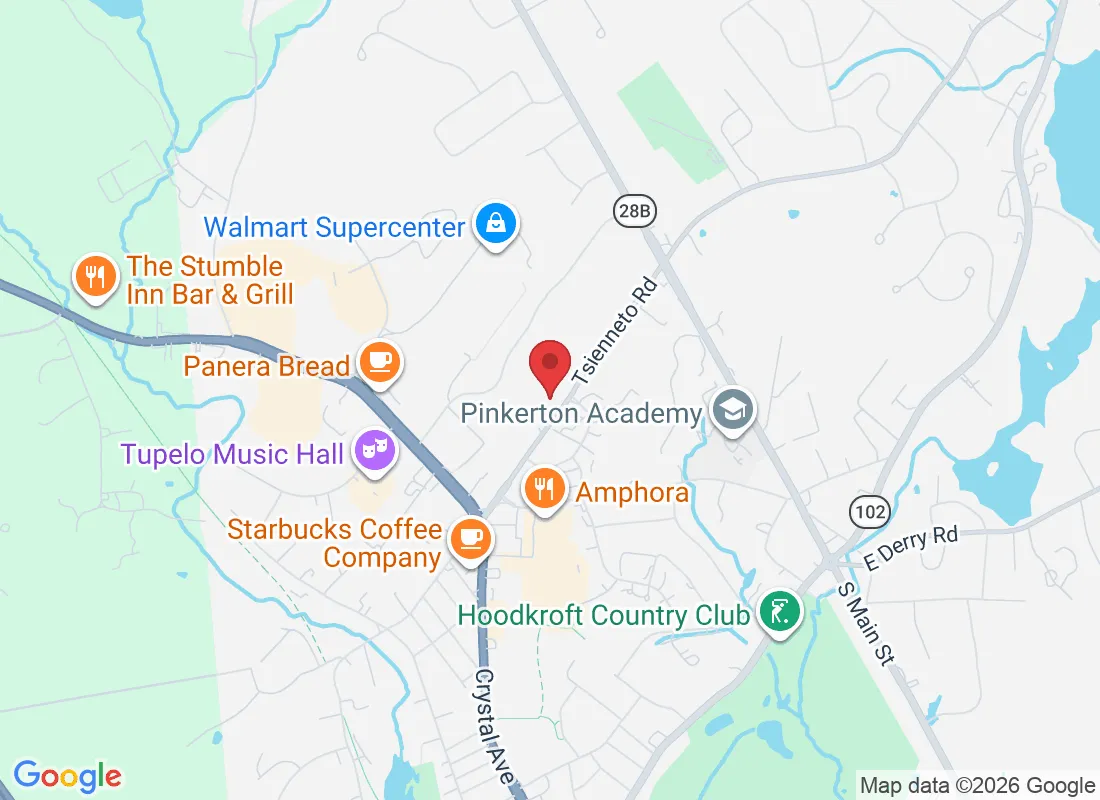
Where To Find Foot & Ankle Associates of Southern NH
If you have any questions before scheduling an appointment or for general inquiries, please use the contact us button below. Our team will promptly reach out to assist you.
Opening Hours
Monday: 8:00am – 5:00pm
Tuesday: 8:00am – 5:00pm
Wednesday: 8:00am – 2:00pm
Thursday: 8:00am – 5:00pm
Friday: 8:00am – 2:00pm
Saturday: Closed
Sunday: Closed