Tips & Advice From Foot & Ankle Associates of Southern NH
How to Choose the Best Shoes for Fall in Derry, New Hampshire
Introduction
Choosing the right shoes for fall in Derry, New Hampshire is essential for maintaining foot health and overall comfort. At Foot & Ankle Associates of Southern NH, we understand that the changing seasons can affect your footwear needs. Whether you are enjoying the beautiful autumn foliage or preparing for the colder months, selecting the right shoes can prevent foot pain and various conditions related to inadequate footwear.
What Should You Look for in Fall Footwear?
When selecting shoes for fall, keep these critical factors in mind:
- Weather Resistance: Look for shoes that are water-resistant or waterproof to keep your feet dry during autumn rains. Materials like Gore-Tex or rubber can be beneficial.
- Insulation: As temperatures drop, warmth becomes a priority. Insulated shoes or boots will help keep your feet warm.
- Traction: Consider footwear with slip-resistant soles, especially on wet or leaf-covered ground, to reduce the risk of falls.
- Arch Support: Proper arch support can help prevent conditions such as plantar fasciitis and enhance comfort during extended wear.
- Fit: Ensure a proper fit, allowing enough room for toes and avoiding a narrow toe box to prevent bunions and other deformities.
How Can the Wrong Shoes Affect Your Feet?
Wearing inappropriate footwear can lead to numerous foot-related issues:
- Plantar Fasciitis: Insufficient arch support can cause inflammation of the plantar fascia, leading to heel pain.
- Blisters and Calluses: Poorly fitting shoes can result in friction, causing painful blisters and thickened skin.
- Neuroma: High heels or tight shoes can compress nerves in the foot, resulting in Morton’s neuroma and discomfort.
- Osteoarthritis: Lack of cushioning can lead to joint pain, exacerbating conditions like osteoarthritis over time.
- Bunions: Tight shoes can force toes into unnatural positions, leading to bunion formation.
What Types of Shoes are Best for Fall?
The following types of shoes can provide optimal support and comfort during the fall season:
- Waterproof Boots: Ideal for wet weather, ensuring that feet remain dry and warm.
- Supportive Sneakers: Great for casual outings, providing comfort and arch support for walking or light activities.
- Thermal Ankle Boots: Perfect for colder days, combining warmth with stability.
- Loafers and Slip-Ons: Convenient for everyday wear but ensure they provide adequate support and cushioning.
- Orthopedic Footwear: For those with specific foot conditions, seeking prescribed orthopedic shoes can help maintain foot integrity.
How to Ensure Proper Fit for Fall Shoes?
To find the ideal fit for your fall footwear, consider these tips:
- Measure Your Feet: Foot size can change over time. Measure both feet, as one may be larger than the other.
- Try Shoes in the Evening: Feet tend to swell throughout the day. Trying shoes later in the day can help you select a more accurate fit.
- Wear Socks: Use the type of socks you plan to wear with the shoes when trying them on.
- Walk Around: Take time to walk in the shoes to assess fit, support, and comfort.
- Sizing Tolerance: Aim for about a thumb’s width of space between your longest toe and the end of the shoe.
Conclusion
Finding the right footwear for fall in Derry, New Hampshire, is vital for the health of your feet and overall enjoyment of the season. At Foot & Ankle Associates of Southern NH, we encourage you to invest in high-quality shoes that suit your lifestyle and foot health needs. By prioritizing factors such as support, fit, and weather resistance, you can minimize discomfort and avoid potential foot conditions. If you experience ongoing foot pain or discomfort, consult with our team for a personalized evaluation and recommendations.
FAQs
1. What types of shoes are best for plantar fasciitis?
Shoes with arch support, cushioning, and a rigid sole are highly recommended for managing plantar fasciitis.
2. How can I waterproof my shoes?
Many brands offer waterproof sprays, but for the best protection, consider investing in shoes designed with waterproof materials.
3. What should I do if my shoes cause blisters?
Ensure your shoes fit properly and consider using blister prevention products like pad inserts. If blisters occur, keep the area clean and covered.
4. Can high heels cause foot problems?
Yes, high heels can lead to conditions such as bunions, neuromas, and general foot pain due to poor alignment and uneven weight distribution.
5. When should I replace my shoes?
Replace shoes if the tread is worn, if they lose cushioning, or if you start experiencing foot pain.
If you have any foot concerns or need assistance in selecting the right footwear, don't hesitate to book an appointment with us today!

Ask Foot & Ankle Associates of Southern NH And Their Team
Fill in the form to request a call from our team. One of our team members will call you for FREE and answer any questions or concerns you may have about your condition
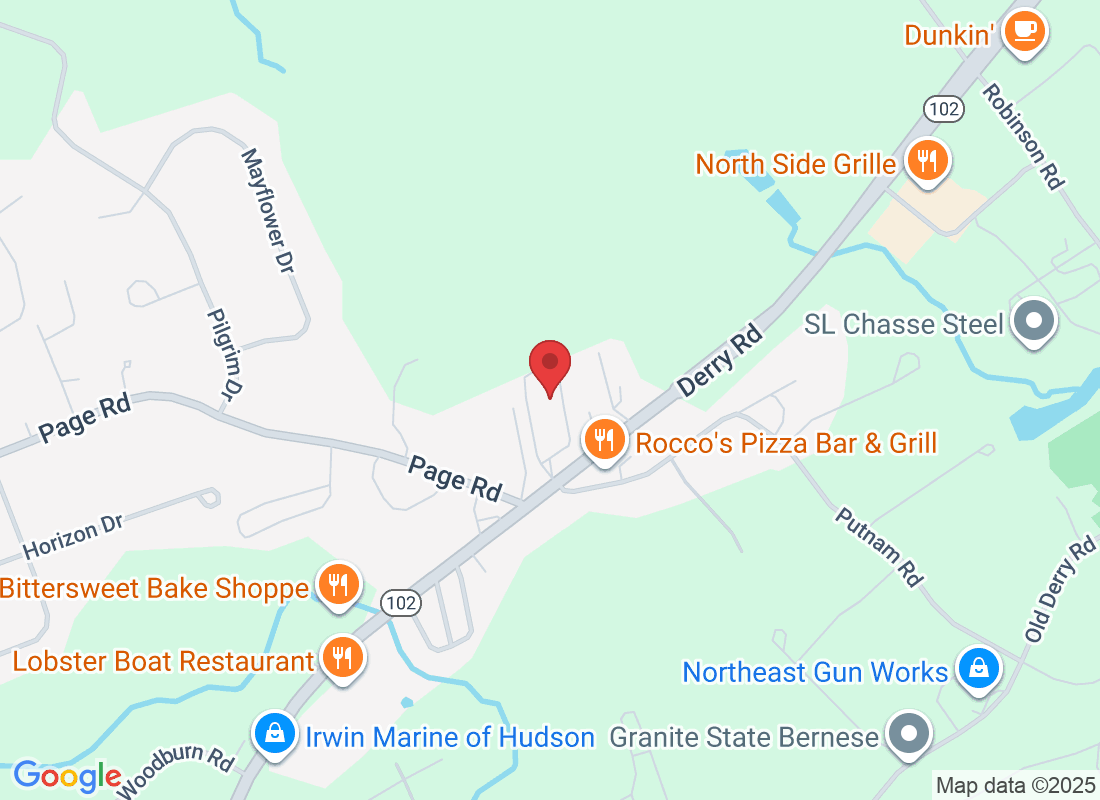
Where To Find Foot & Ankle Associates of Southern NH
If you have any questions before scheduling an appointment or for general inquiries, please use the contact us button below. Our team will promptly reach out to assist you.
Opening Hours
Monday: 8:00am – 5:00pm
Tuesday: 8:00am – 5:00pm
Wednesday: 8:00am – 2:00pm
Thursday: 8:00am – 5:00pm
Friday: 8:00am – 2:00pm
Saturday: Closed
Sunday: Closed