Tips & Advice From Foot & Ankle Associates of Southern NH
Persistent Achilles Pain? Time for a Reassessment
Understanding Persistent Achilles Pain
If you're experiencing ongoing pain in your Achilles tendon, it's essential to seek expert evaluation. At Foot & Ankle Associates of Southern NH in Derry, New Hampshire, we are dedicated to helping you understand the causes and treatment options for your discomfort. Persistent pain deserves a thorough reassessment, and this blog post will outline key considerations based on expert insights shared in a recent video.
What Causes Persistent Achilles Pain?
Achilles pain is often associated with conditions such as Achilles tendinopathy, which involves degeneration of the Achilles tendon due to overuse. Common factors contributing to this condition include:
- Calf tightness
- Limited ankle motion
- Muscle weakness
- Changes in footwear
- Surface changes in your training environment
- Increased training volume
- Pressure from the back of the shoe
Moreover, it is crucial to discuss any relevant medical history, including medications that may influence tendon health. Certain medications can have implications on tendon integrity, so if your symptoms arose after a change in medication, please inform both your prescriber and your foot and ankle clinician.
How Is Achilles Pain Diagnosed?
Most diagnoses of Achilles tendinopathy are made through a detailed history and physical examination. In many typical cases, imaging such as X-rays, ultrasounds, or MRIs is not immediately required unless:
- The symptoms do not align with standard patterns
- The condition fails to improve as expected
- There are specific clinical questions that require answering
The goal of this approach is not to perform unnecessary tests, but to utilize the right information that can affect treatment choices.
What Does a Recovery Plan Involve?
A well-thought-out recovery plan is essential for confirming diagnosis and addressing the loads causing your symptoms. A structured recovery approach includes:
- Identifying and adjusting training loads to allow tendon healing
- Gradually rebuilding strength in the affected tendon
Keep in mind that recovery often takes weeks to months. Higher intensity activities should be resumed progressively, guided by how your tendon responds during and after activity.
When Should You Reassess Treatment Options?
If you have adhered to a conservative treatment plan consistently without satisfactory results, it may be time for reassessment. This could involve:
- Further discussions on rehabilitation strategies
- Modifications in footwear or support systems
- Considering imaging studies for deeper insights
- Exploring adjunctive treatments such as EPAT shockwave therapy
While advanced treatment options can be beneficial, they cannot replace the value of an accurate diagnosis and a progressive treatment strategy.
Frequently Asked Questions (FAQ)
1. What symptoms indicate I should see a podiatrist for Achilles pain?
If you experience persistent pain in the back of your ankle, stiffness, or swelling that does not improve with rest, it is advisable to seek professional evaluation.
2. Can changing my training routine help alleviate Achilles pain?
Yes, modifying your training routine to reduce high-impact activities and gradually increasing intensity can help in the recovery process.
3. Are there any exercises I can do at home to relieve Achilles pain?
Gentle stretching of the calf muscles and isotonic strengthening exercises can be beneficial, but it's crucial to follow guidance from a healthcare provider to avoid exacerbating the condition.
4. How long does it take to recover from Achilles tendinopathy?
Recovery timelines can vary widely based on the severity of the condition, generally ranging from several weeks to months with appropriate treatment and rehabilitation.
5. What is EPAT shockwave therapy, and how does it help?
EPAT (Extracorporeal Pulse Activation Technology) shockwave therapy is a non-invasive treatment that uses acoustic waves to promote healing in tendons and tissue, which can be beneficial for chronic Achilles pain.
Schedule Your Appointment Today
If you're experiencing persistent Achilles pain, don't hesitate to reach out for a thorough evaluation. Our expert team at Foot & Ankle Associates of Southern NH in Derry, New Hampshire is here to help you get back on your feet. Book your appointment now and take the first step towards recovery!

Ask Foot & Ankle Associates of Southern NH And Their Team
Fill in the form to request a call from our team. One of our team members will call you for FREE and answer any questions or concerns you may have about your condition
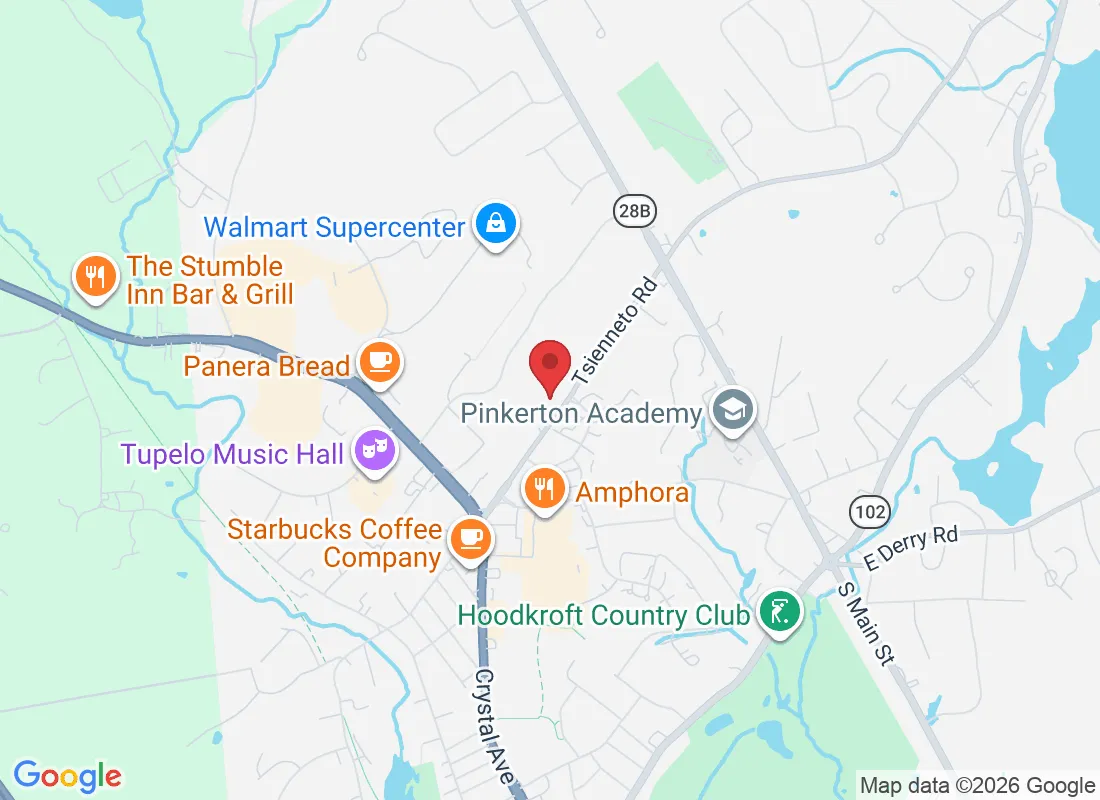
Where To Find Foot & Ankle Associates of Southern NH
If you have any questions before scheduling an appointment or for general inquiries, please use the contact us button below. Our team will promptly reach out to assist you.
Opening Hours
Monday: 8:00am – 5:00pm
Tuesday: 8:00am – 5:00pm
Wednesday: 8:00am – 2:00pm
Thursday: 8:00am – 5:00pm
Friday: 8:00am – 2:00pm
Saturday: Closed
Sunday: Closed