![US - Podiatry [SNAPSHOT]](https://images.leadconnectorhq.com/image/f_webp/q_80/r_1200/u_https://assets.cdn.filesafe.space/VcbCroJExFRPSiazqC3s/media/65ce71f752ffe97f5b3465d3.png )
Tips & Advice From Foot & Ankle Associates of Southern NH
EPAT Shock Wave Therapy for Plantar Fasciitis: Does It Work and What Does It Feel Like?
Understanding EPAT Shock Wave Therapy for Plantar Fasciitis
If you’ve been struggling with persistent heel pain due to plantar fasciitis, you may have heard about EPAT shock wave therapy as a potential non-surgical treatment. At Foot & Ankle Associates of Southern New Hampshire in Derry, New Hampshire, we understand the impact that heel pain can have on your daily life, and we are here to discuss your options.
What is EPAT Shock Wave Therapy?
EPAT, or extracorporeal pulse activation technology, utilizes acoustic pressure waves to stimulate healing in areas suffering from chronic pain, such as the plantar fascia. This treatment delivers mechanical stimulation to the tissue, promoting a biological healing response without the need for injections or incisions.
How Does EPAT Work?
The therapy begins with the application of a gel to the skin to facilitate the transfer of energy from the treatment head to the affected area. Patients typically describe the sensation as rhythmic tapping or pulsing rather than discomfort. It’s essential to adjust the intensity of the pulses based on individual tolerance to maintain comfort during the session.
Who is a Good Candidate for EPAT?
EPAT may be a suitable option for individuals who:
- Have a confirmed diagnosis of persistent plantar fasciitis.
- Have not achieved sufficient relief from conservative treatments, including stretching, ice therapy, and proper footwear.
- Are looking for a non-surgical option to address their condition.
Before proceeding with EPAT, it’s crucial to ensure an accurate diagnosis of plantar fasciitis. Heel pain could result from various conditions such as stress injuries, nerve problems, or heel fat pad issues. Therefore, a thorough examination by a qualified podiatrist is necessary to determine the appropriate treatment path.
What to Expect During the Treatment?
Treatment sessions are typically brief, and several visits may be required to achieve optimal results. While some individuals may notice improvements soon after starting therapy, others might experience gradual healing over weeks. The objective is to foster progressive improvement in pain levels and overall function during the treatment plan.
The planning and execution of EPAT therapy should be combined with a comprehensive approach, addressing all contributing factors to the heel pain. This may involve further treatment options, lifestyle adjustments, and changes to footwear.
What are the Benefits of EPAT Therapy?
One of the attractive features of EPAT shock wave therapy is its non-invasive nature. It provides a potential alternative for those who wish to avoid invasive surgical interventions while still seeking effective pain relief. Research supports its use as a legitimate treatment option in cases where conservative measures have failed, making it a valuable addition to the arsenal against plantar fasciitis.
Frequently Asked Questions (FAQ)
1. Is EPAT shock wave therapy painful?
Most patients describe the sensation during treatment as rhythmic and often bearable. The intensity can be adjusted for comfort, and you are encouraged to communicate with your provider throughout the session.
2. How long does a typical EPAT session last?
Sessions are usually brief, often lasting around 15-30 minutes, depending on the individual's needs and the treatment protocol set by your provider.
3. How many sessions will I need?
The number of recommended sessions varies based on the severity of the condition and individual progress. Typically, a short series of visits is planned for optimal results.
4. How soon can I expect to see results?
Some individuals may notice immediate improvement, while others might experience more gradual relief. The goal is to achieve progressive improvement over the subsequent weeks following the treatment sessions.
5. Will my insurance cover EPAT therapy?
Insurance coverage can differ based on individual plans. It is advisable to check directly with our office regarding coverage and costs related to EPAT therapy.
Conclusion: Take the Next Step for Your Heel Pain
If you’re tired of living with heel pain, EPAT shock wave therapy may offer you a pathway to relief. At Foot & Ankle Associates of Southern New Hampshire, we prioritize personalized care and comprehensive treatment plans tailored to your specific needs. To explore if EPAT shock wave therapy is the right fit for your condition, we invite you to schedule a consultation.

Ask Foot & Ankle Associates of Southern NH And Their Team
Fill in the form to request a call from our team. One of our team members will call you for FREE and answer any questions or concerns you may have about your condition
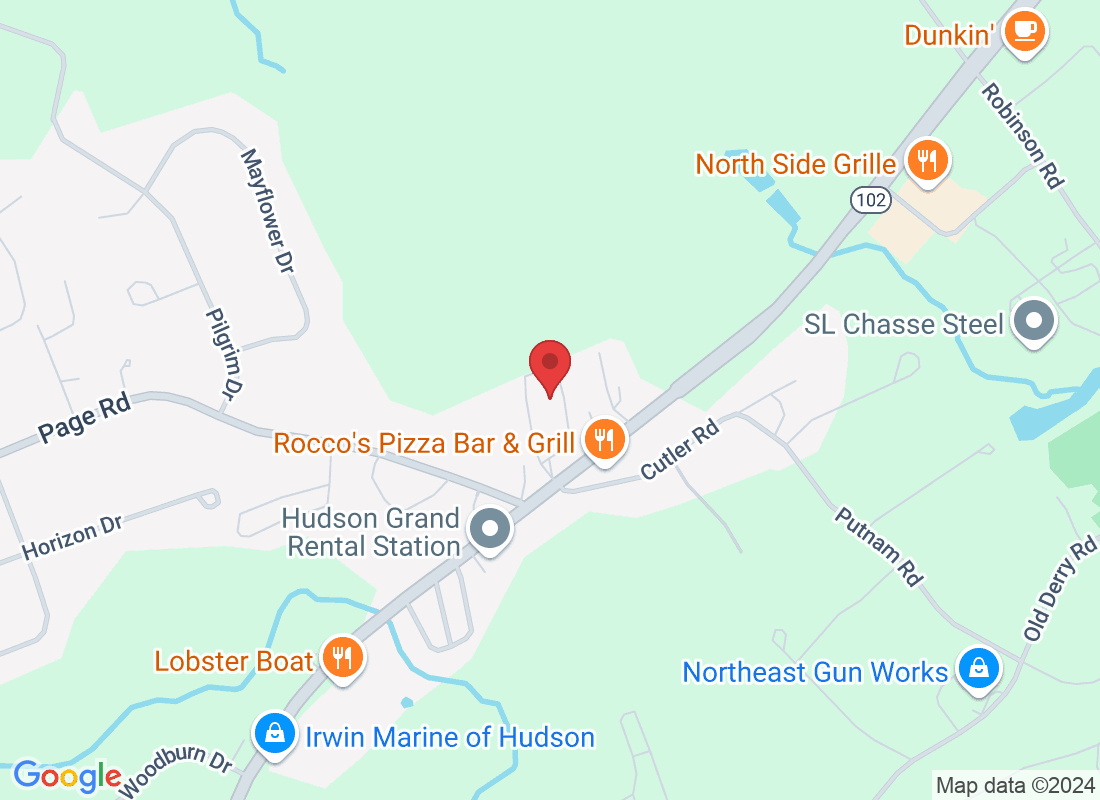
Where To Find Foot & Ankle Associates of Southern NH
If you have any questions before scheduling an appointment or for general inquiries, please use the contact us button below. Our team will promptly reach out to assist you.
Opening Hours
Monday: 8:00am – 5:00pm
Tuesday: 8:00am – 5:00pm
Wednesday: 8:00am – 2:00pm
Thursday: 8:00am – 5:00pm
Friday: 8:00am – 2:00pm
Saturday: Closed
Sunday: Closed