Tips & Advice From Foot & Ankle Associates of Southern NH
Achilles Rehab: Mid-portion vs. Insertional Pain
Understanding Achilles Pain: Mid-portion vs. Insertional Tendinopathy
At Foot & Ankle Associates of Southern NH in Derry, New Hampshire, we understand that Achilles tendon pain can significantly affect your quality of life and athletic performance. The recent discussion presented in our YouTube video, "Achilles Rehab: Mid-portion vs. Insertional Pain," provides crucial insights into two primary types of Achilles tendon pain that individuals may experience. In this article, we'll delve into the differences between mid-portion and insertional Achilles pain, their causes, and effective rehabilitation approaches.
What Causes Mid-portion Achilles Tendinopathy?
Mid-portion Achilles tendinopathy occurs in the central part of the tendon, typically about 2-6 centimeters above the heel. This condition can arise from several factors, including:
- Overuse from activities such as running or jumping.
- Sudden increases in physical activity or intensity.
- Poor footwear or inadequate support during activities.
- Intrinsic factors like poor flexibility and strength of the calf muscles.
In our video, we emphasize the importance of appropriate loading of the Achilles tendon to rebuild strength and tolerance. During recovery, complete rest is not recommended, as it can lead to a longer recovery. Instead, targeted rehabilitation is vital, as general inactivity does not prepare the tendon for the demands of activity.
How Does Insertional Achilles Pain Differ?
Insertional Achilles pain, conversely, refers to discomfort at the tendon’s attachment to the heel bone (calcaneus). This type of pain can be exacerbated by:
- Wearing shoes with a prominent heel area that compresses the tendon.
- Activities or positions that apply pressure to the insertion point, such as certain types of exercises.
As highlighted in our video, it is crucial to recognize the location of pain when developing a treatment plan. Exercises suitable for mid-portion pain—such as those that drop the heel below a step—may not be appropriate for insertional pain. Tailoring rehabilitation programs based on the specific type of Achilles pain is essential to achieving optimal recovery.
How Can I Treat Achilles Tendon Pain?
Successful treatment plans for both types of Achilles tendinopathy must be individualized. Key steps include:
- Assessment by a Clinician: A thorough evaluation to identify the precise cause of your symptoms.
- Exercise Prescription: Gradual loading exercises designed based on symptoms, functioning, and flexibility. These should be modified if they reproduce pain.
- Footwear Evaluation: Ensuring you have appropriate shoes that provide adequate support and cushioning.
- Strength Training: Improving calf muscle strength and overall ankle mobility.
Engagement in a supervised exercise program, tailored to your specific type of pain, can lead to significant outcomes. In many cases, a clinician will adjust the rehabilitation program based on your symptoms and functional needs, ensuring that you do not advance too quickly.
What is the Importance of Gradual Loading?
Gradual tendon loading is critical for rehabilitation success. A common misconception is that once pain subsides, one can immediately return to pre-injury levels of activity. However, as discussed in the video, the calf and tendon need adequate time and appropriate exercises to adapt to increased loads. This progressive approach can help prevent recurrence and promote long-term success.
Q&A – Common Questions About Achilles Tendinopathy
- What are the symptoms of Achilles tendinopathy? Common symptoms include pain and stiffness along the Achilles tendon, particularly during activity and after periods of rest.
- Do I need surgery for Achilles pain? Surgery is rarely necessary and is usually considered after conservative treatments have failed.
- How long does recovery take? Recovery can vary based on severity but often requires several weeks to months of dedicated rehabilitation.
- Can I continue to exercise with Achilles pain? It depends on the type of pain; mid-portion pain often allows for low-load activities, whereas insertional pain may require different approaches.
- When should I see a doctor? If pain persists despite home care, it is advisable to consult a clinician for a comprehensive assessment.
If you're experiencing Achilles tendon pain—whether it be mid-portion or insertional—the team at Foot & Ankle Associates of Southern NH is here to help. Our experts will work with you to create a personalized rehabilitation plan based on your unique needs. Don't let pain hold you back; book your appointment today and take the first step towards recovery.

Ask Foot & Ankle Associates of Southern NH And Their Team
Fill in the form to request a call from our team. One of our team members will call you for FREE and answer any questions or concerns you may have about your condition
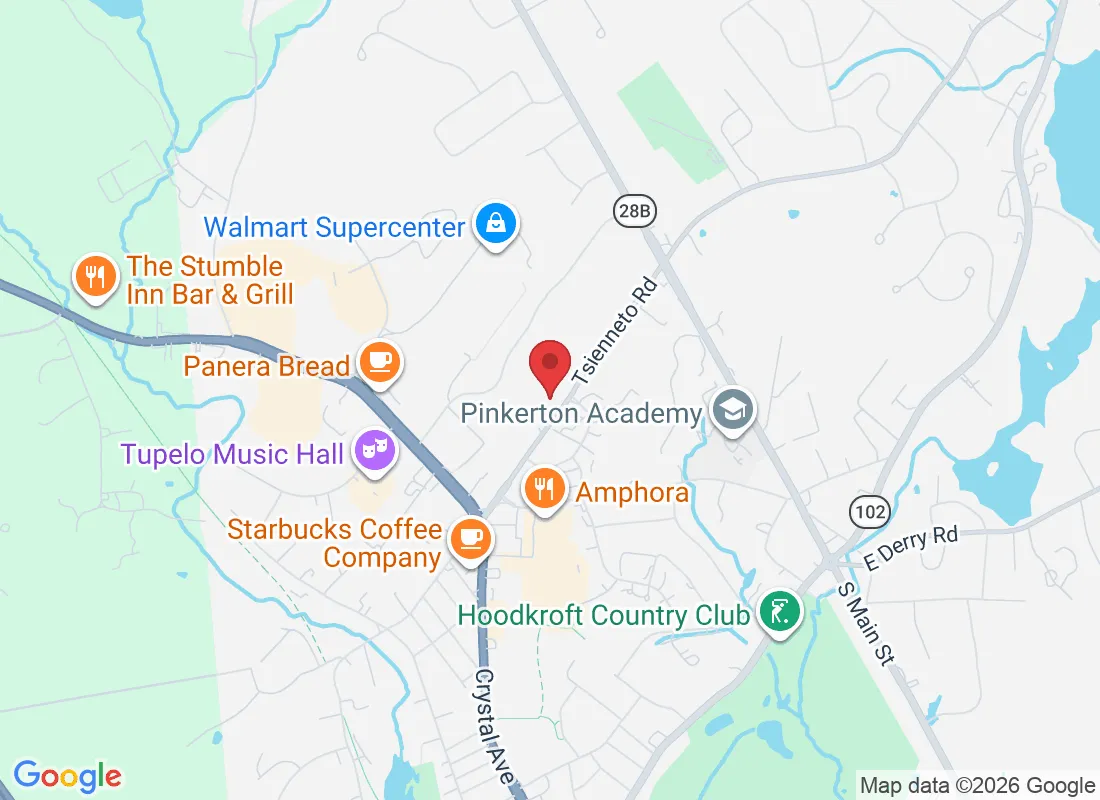
Where To Find Foot & Ankle Associates of Southern NH
If you have any questions before scheduling an appointment or for general inquiries, please use the contact us button below. Our team will promptly reach out to assist you.
Opening Hours
Monday: 8:00am – 5:00pm
Tuesday: 8:00am – 5:00pm
Wednesday: 8:00am – 2:00pm
Thursday: 8:00am – 5:00pm
Friday: 8:00am – 2:00pm
Saturday: Closed
Sunday: Closed