Tips & Advice From Foot & Ankle Associates of Southern NH
Athlete’s Foot Treatment Tips in Derry, New Hampshire
Athlete’s Foot Treatment Tips in Derry, New Hampshire
Athlete’s foot, or tinea pedis, is a common fungal infection that affects the skin on the feet, primarily between the toes. It causes itching, burning, and peeling, and is often especially bothersome for those active in sports. At Foot & Ankle Associates of Southern NH in Derry, New Hampshire, we understand the discomfort it can cause and are here to provide effective treatment tips to help you manage and eliminate this condition.
What Causes Athlete’s Foot?
Athlete's foot is primarily caused by a fungal infection that thrives in warm, moist environments. Here are some of the main causes and contributing factors:
- Fungi: The main culprits are dermatophytes, particularly Trichophyton rubrum.
- Environmental conditions: Wearing damp socks or shoes, frequenting public swimming pools, and walking barefoot in communal showers can increase exposure.
- Poor hygiene: Infrequent washing of feet and failure to dry them properly can foster fungal growth.
- Weakened immune system: Individuals with diabetes or compromised immune systems are at higher risk.
How Can I Treat Athlete’s Foot Effectively?
Treating athlete’s foot involves a multi-faceted approach that incorporates over-the-counter remedies and lifestyle modifications. Here are some effective treatment tips:
1. Over-the-Counter Antifungal Medications
Topical antifungal treatments are often the first line of defense against athlete’s foot. Popular options include:
- Clotrimazole: This cream is effective against mold, yeast, and some bacteria.
- Miconazole: A topical powder that can help reduce moisture and combat infection.
- Terbinafine: Available as a cream or gel, it is particularly effective for treating fungal infections.
2. Keep Your Feet Clean and Dry
Maintaining proper foot hygiene is essential in preventing and treating athlete's foot. Here are some tips:
- Wash your feet daily with soap and water, paying particular attention to the areas between the toes.
- Thoroughly dry your feet after washing, and consider using a towel designated solely for your feet.
- Change socks daily and opt for moisture-wicking materials to keep feet dry.
3. Use Powders to Reduce Moisture
Applying antifungal powders can help absorb moisture and keep the feet dry, which discourages fungal growth. Look for treatments specifically labeled for athlete’s foot.
4. Wear Appropriate Footwear
Choosing the right footwear can also make a significant difference:
- Select breathable shoes made of natural materials that allow airflow.
- Rotate your shoes to ensure they dry completely between uses.
- Avoid tight-fitting shoes that can trap moisture and create an ideal environment for fungi.
5. Avoid Sharing Personal Items
Fungal infections can spread through personal items, so it's vital to avoid sharing:
- Socks and shoes
- Towels
- Foot baths or spa services
When Should I See a Doctor for Athlete's Foot?
If your symptoms persist despite home treatments for more than two weeks, or if you experience severe pain, swelling, or signs of a secondary bacterial infection (such as pus or increased redness), it is crucial to seek medical advice. At Foot & Ankle Associates of Southern NH, we offer comprehensive evaluations and tailored treatment plans for persistent or complicated cases of athlete's foot.
FAQ About Athlete's Foot
1. Can athlete's foot spread to other parts of the body?
Yes, the fungi that cause athlete's foot can spread to other body areas, such as the hands (tinea manuum) or groin (tinea cruris), especially if you scratch your feet and then touch other areas.
2. Is athlete's foot contagious?
Yes, athlete's foot is contagious. It can be spread through contaminated surfaces, such as floors in public showers or locker rooms, and direct contact with an infected person.
3. How long does athlete's foot usually last?
With proper treatment, athlete's foot can clear up in 2-4 weeks. However, untreated cases can persist or recur, emphasizing the importance of consistent treatment and prevention strategies.
4. Are there any home remedies for athlete's foot?
While antifungal medications are more effective, some home remedies like tea tree oil, vinegar soaks, and baking soda can help alleviate symptoms. However, these should be used in conjunction with medical treatment and not as a substitute.
5. How can I prevent athlete's foot from recurring?
To prevent recurrence, maintain good foot hygiene, wear well-ventilated shoes, keep your feet dry, and use antifungal powders as needed after treatment.
In conclusion, if you are struggling with athlete's foot, follow these treatment tips and consult the experienced professionals at Foot & Ankle Associates of Southern NH in Derry, New Hampshire. Don’t let athlete's foot hinder your active lifestyle. Book an appointment today to protect your feet and get the relief you need!

Ask Foot & Ankle Associates of Southern NH And Their Team
Fill in the form to request a call from our team. One of our team members will call you for FREE and answer any questions or concerns you may have about your condition
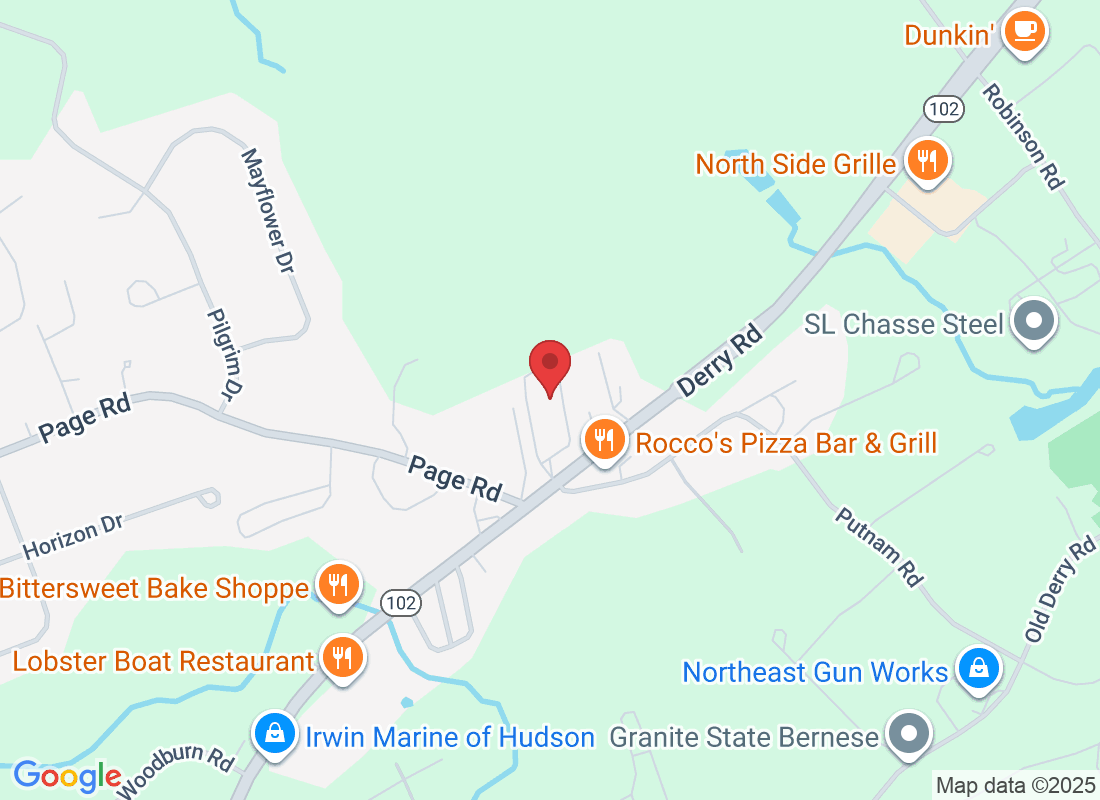
Where To Find Foot & Ankle Associates of Southern NH
If you have any questions before scheduling an appointment or for general inquiries, please use the contact us button below. Our team will promptly reach out to assist you.
Opening Hours
Monday: 8:00am – 5:00pm
Tuesday: 8:00am – 5:00pm
Wednesday: 8:00am – 2:00pm
Thursday: 8:00am – 5:00pm
Friday: 8:00am – 2:00pm
Saturday: Closed
Sunday: Closed