
Tips & Advice From Foot & Ankle Associates of Southern NH
Heel Pain and Flat Feet: The Connection Explained in Derry, New Hampshire
Understanding Heel Pain and Flat Feet in Derry, New Hampshire
At Foot & Ankle Associates of Southern NH, located in Derry, New Hampshire, we understand that heel pain and flat feet are common issues affecting many residents. This article aims to comprehensively explain the connection between heel pain and flat feet, shedding light on causes, symptoms, and effective treatment options.
What Causes Heel Pain in Flat Feet?
Flat feet, or pes planus, is characterized by a low or absent arch in the foot. This condition can lead to various complications, including heel pain, due to altered biomechanics and increased stress on certain structures of the foot.
- Overpronation: People with flat feet often overpronate, meaning their feet roll inward excessively during walking. This can put undue strain on the heel and cause conditions like plantar fasciitis.
- Plantar Fasciitis: This is one of the most common causes of heel pain, especially in individuals with flat feet. The plantar fascia, a thick band of tissue that runs from the heel to the toes, can become inflamed due to the increased pressure flat feet create.
- Achilles Tendonitis: Flat feet may also contribute to inflammation of the Achilles tendon, leading to pain at the back of the heel.
How Can I Recognize Symptoms of Heel Pain?
Recognizing the symptoms associated with heel pain due to flat feet is crucial for early intervention. Common symptoms include:
- Sharp or stabbing pain in the heel, especially with the first steps in the morning.
- Swelling around the heel or arch of the foot.
- Stiffness or tightness in the foot and ankle.
- Pain that worsens after prolonged activity or standing.
How is Heel Pain Diagnosed?
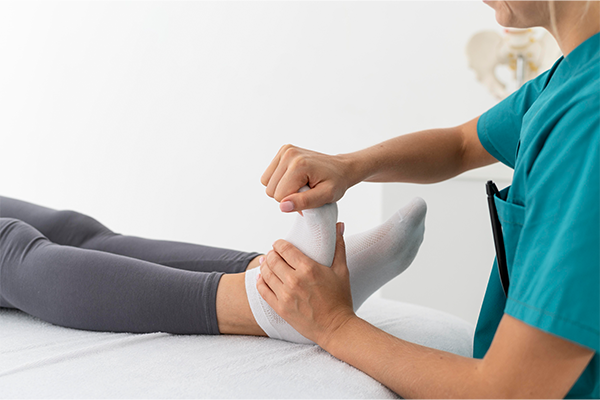
If you’re experiencing heel pain, a proper diagnosis is essential. At Foot & Ankle Associates of Southern NH, our podiatrists will conduct a thorough evaluation, which typically includes:
- A physical examination of the foot and ankle for structure and function.
- Assessing your gait to observe any abnormalities.
- X-rays or other imaging studies to assess bone structure and rule out fractures.
- Discussion of your medical history and any previous injuries.
How Can I Treat Heel Pain Related to Flat Feet?
Treatment options for heel pain stemming from flat feet may vary based on severity, but they generally include:
- Orthotics: Custom orthotics can help provide arch support, redistribute pressure, and alleviate pain.
- Physical Therapy: Targeted exercises can strengthen foot and ankle muscles, improving function and relieving discomfort.
- Medication: Nonsteroidal anti-inflammatory drugs (NSAIDs) can help reduce inflammation and provide pain relief.
- Injections: Corticosteroid injections may be recommended in more severe cases to reduce inflammation directly.
- Surgery: In chronic cases that don’t respond to other treatments, surgical options may be explored to reconstruct the arch or relieve pressure.
How Can I Prevent Heel Pain?
Prevention is vital in managing heel pain associated with flat feet. Here are some tips:
- Choose supportive footwear with proper arch support.
- Maintain a healthy weight to reduce stress on your feet.
- Engage in regular low-impact exercises that strengthen foot muscles.
- Stretch the Achilles tendon and the plantar fascia to improve flexibility.
Frequently Asked Questions (FAQ)
1. Can flat feet cause other issues besides heel pain?
Yes, flat feet can lead to other complications like knee pain, hip pain, and even back pain due to altered biomechanics.
2. Should I avoid exercise if I have heel pain?
While high-impact activities may exacerbate heel pain, low-impact exercises such as swimming or cycling can often be beneficial. Consult with a podiatrist for tailored advice.
3. Are there non-surgical options for treating heel pain?
Most cases of heel pain can be managed effectively with conservative treatments, including orthotics, physical therapy, and medication.
4. When should I see a podiatrist for heel pain?
If heel pain persists for more than a few weeks, worsens, or is accompanied by swelling or difficulty walking, it’s important to seek professional help.
5. Is surgery always necessary for treating flat feet?
Surgery is typically considered a last resort for patients who do not respond to conservative treatments. Most individuals find relief through physical therapy and proper footwear.
Conclusion
Heel pain and flat feet are interconnected conditions that can significantly impact your quality of life. If you’re experiencing heel pain in Derry, New Hampshire, don’t hesitate to reach out to us at Foot & Ankle Associates of Southern NH. Our team is committed to providing personalized care to help you find relief. Book an appointment today for a comprehensive evaluation and start your journey towards pain-free living!

Ask Foot & Ankle Associates of Southern NH And Their Team
Fill in the form to request a call from our team. One of our team members will call you for FREE and answer any questions or concerns you may have about your condition
Where To Find Foot & Ankle Associates of Southern NH
If you have any questions before scheduling an appointment or for general inquiries, please use the contact us button below. Our team will promptly reach out to assist you.
Opening Hours
Monday: 8:00am – 5:00pm
Tuesday: 8:00am – 5:00pm
Wednesday: 8:00am – 2:00pm
Thursday: 8:00am – 5:00pm
Friday: 8:00am – 2:00pm
Saturday: Closed
Sunday: Closed