![US - Podiatry [SNAPSHOT]](https://images.leadconnectorhq.com/image/f_webp/q_80/r_1200/u_https://assets.cdn.filesafe.space/VcbCroJExFRPSiazqC3s/media/65ce71f752ffe97f5b3465d3.png )
Tips & Advice From Foot & Ankle Associates of Southern NH
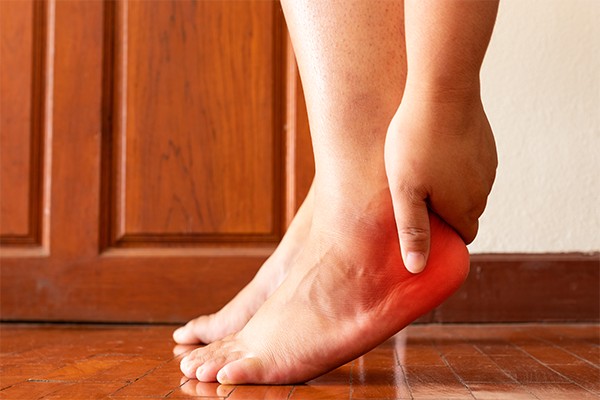
Why Balance Starts from the Ground Up
Introduction
At Foot & Ankle Associates of Southern NH, located in Derry, New Hampshire, we understand that balance is fundamental to overall health and well-being. Many people overlook the role their feet play in maintaining balance, yet they're the starting point for our body's equilibrium. Understanding how the structure and function of the feet influence balance can help in preventing injuries, enhancing mobility, and improving quality of life.
What Causes Balance Issues?
Balance issues can stem from various factors, including:
- Anatomical abnormalities: Conditions such as flat feet (pes planus) or high arches (pes cavus) can affect how weight is distributed across the foot.
- Nerve damage: Neuropathies, often seen in diabetes, can impair sensation in the feet, leading to unstable gait.
- Muscle weakness: Weakness in the muscles of the lower extremities can destabilize balance.
- Joint problems: Arthritis in the ankle or foot joints can limit movement and create instability.
- Vestibular issues: Problems in the inner ear that affect balance can also have external impacts on the body's stabilization.
How Can Balance Be Improved?
Improving balance often requires a multifaceted approach that involves strengthening, coordination, and flexibility exercises, particularly for the feet and ankles. Here are some effective ways to enhance your stability:
- Footwear choices: Wearing supportive shoes can help maintain proper foot alignment and provide the necessary stability.
- Balance exercises: Incorporate exercises like heel-to-toe walking, single-leg stands, and balance board usage into your routine.
- Physical therapy: A licensed physical therapist can tailor a program to meet your specific needs, focusing on the muscles and joints that contribute to balance.
- Strength training: Building strength in the legs and core can significantly improve balance and reduce the risk of falls.
- Regular foot assessments: Regular visits to a podiatrist can help identify potential issues with your foot structure and function.
How Do Foot Conditions Affect Balance?
Various foot conditions can significantly impact your balance. Here are some common conditions:
- Plantar Fasciitis: This painful condition leads to inflammation of the tissue along the bottom of the foot, causing discomfort with each step and potentially affecting your gait.
- Achilles Tendinitis: Inflammation of the Achilles tendon can reduce mobility and flexibility in the ankle, affecting balance significantly.
- Bunions: A bunion can alter the alignment of your foot, leading to an imbalance during walking and standing.
- Neuropathy: Distal neuropathy, especially in diabetic patients, can result in loss of sensation in the feet, increasing fall risks.
What Treatments Are Available for Balance Issues?
Treatments for balance issues often vary based on the underlying cause. Here are some treatment options we offer at Foot & Ankle Associates of Southern NH:
- Orthotics: Custom orthotics can help correct foot alignment and improve stability.
- Physical Rehabilitation: A targeted rehabilitation program may include exercises specific to balance improvement.
- Injections: Corticosteroid injections may be recommended for inflammatory conditions affecting balance.
- Surgery: In some cases, surgical interventions may be needed to address structural issues that impair balance.
Can Balance Training Help Reduce Falls?
Yes, balance training can significantly reduce falls among individuals of all ages. According to various studies, including those published in the Journal of Geriatric Physical Therapy, exercises targeting balance can decrease the incidence of falls by enhancing lower extremity strength and stability.
Conclusion
At Foot & Ankle Associates of Southern NH in Derry, New Hampshire, we believe that balance truly starts from the ground up. Understanding the role your feet play in maintaining balance is vital to preventing injuries and improving your overall quality of life. If you're experiencing balance issues or foot pain, don't hesitate to reach out to our team of specialists for a comprehensive evaluation and personalized care plan.
To schedule an appointment, please visit our booking link.
FAQ
1. What are common signs of balance problems?
Common signs include frequent tripping, difficulty walking in a straight line, or feeling unsteady while standing still.
2. Can physical therapy help with balance?
Yes, a physical therapist can design a program specifically to improve balance, stability, and overall mobility.
3. Is footwear important for balance?
Absolutely. Proper footwear can provide necessary support and cushioning, which contributes to better balance.
4. How often should I see a podiatrist for balance issues?
If you're experiencing balance problems or foot pain, it is advisable to schedule a consultation as soon as possible.
5. What lifestyle changes can improve my balance?
Incorporating regular exercises, maintaining a healthy diet, and ensuring you wear supportive footwear can all contribute to better balance.

Ask Foot & Ankle Associates of Southern NH And Their Team
Fill in the form to request a call from our team. One of our team members will call you for FREE and answer any questions or concerns you may have about your condition
Where To Find Foot & Ankle Associates of Southern NH
If you have any questions before scheduling an appointment or for general inquiries, please use the contact us button below. Our team will promptly reach out to assist you.
Opening Hours
Monday: 8:00am – 5:00pm
Tuesday: 8:00am – 5:00pm
Wednesday: 8:00am – 2:00pm
Thursday: 8:00am – 5:00pm
Friday: 8:00am – 2:00pm
Saturday: Closed
Sunday: Closed