Tips & Advice From Foot & Ankle Associates of Southern NH

Why Some Foot Wounds Don’t Heal—and What You Can Do About It
Understanding Foot Wounds
Foot wounds can be a significant health concern, especially for individuals with pre-existing conditions such as diabetes or peripheral vascular disease. At Foot & Ankle Associates of Southern NH in Derry, New Hampshire, we understand the complexities behind non-healing foot wounds and are committed to providing comprehensive care and education.
What Causes Foot Wounds to Not Heal?
Several factors can contribute to the failure of foot wounds to heal properly:
- Poor Blood Circulation: Conditions such as peripheral artery disease (PAD) can reduce blood flow to the extremities, impairing the healing process.
- Diabetes: High blood sugar levels can lead to neuropathy and diminished circulation, making it difficult for wounds to heal.
- Infection: Bacterial or fungal infections can impede healing; in some cases, they may even lead to further complications.
- Foot Deformities: Issues such as bunions, hammertoes, or flat feet can create areas of increased pressure, leading to chronic wounds.
- Inadequate Nutrition: Lack of essential nutrients, particularly protein, vitamins, and minerals, can slow down the healing response.
How Can I Treat Non-Healing Foot Wounds?
Treating non-healing foot wounds typically requires a multi-faceted approach:
1. Consult a Podiatrist
Early intervention by a qualified podiatrist is essential. At Foot & Ankle Associates of Southern NH, our specialized team can assess the wound and recommend the best course of action.
2. Improve Circulation
For patients with poor blood flow, treatments may include:
- Medication to enhance circulation
- Supervised exercise programs
- Referral for vascular studies or interventions
3. Manage Blood Sugar Levels
If diabetes is present, maintaining tight control of blood sugar can significantly improve wound healing. Working closely with healthcare providers can help in achieving better glycemic control.
4. Address Infections Promptly
If an infection is suspected, prompt medical attention is necessary. Treatment may consist of:
- Topical antibiotics
- Oral antibiotics for systemic infections
5. Optimize Nutrition
Encouraging a nutrient-rich diet can aid in wound healing. Foods rich in zinc, vitamin C, and protein should be incorporated into daily meals.
6. Use Advanced Wound Care Techniques
Advanced wound care techniques, such as:
- Debridement to remove dead tissue
- Hydrocolloid dressings to provide a moist healing environment
- Growth factor therapy to stimulate tissue regeneration
may also be considered based on the specific nature of the wound.
What Can I Do at Home to Support Healing?
At-home care can complement professional treatment:
- Keep the wound clean and covered.
- Change dressings regularly as advised by your podiatrist.
- Avoid activities that put pressure on the affected foot.
When Should I Seek Medical Attention?
It's crucial to seek medical attention if you notice:
- Increasing redness or swelling around the wound
- Foul-smelling discharge or pus
- Fever or chills
Frequently Asked Questions (FAQ)
1. What types of foot wounds are most common?
Common foot wounds include diabetic ulcers, pressure sores, and cuts or abrasions that do not heal.
2. How long should a foot wound take to heal?
The healing time varies but should typically improve within two to four weeks. If healing is delayed, consult a podiatrist.
3. Can foot wounds lead to serious complications?
Yes, untreated foot wounds can result in severe complications, including infections, gangrene, or even amputations in extreme cases.
4. Do I need a special shoe for a non-healing foot wound?
In many cases, specialized footwear or orthotics may be necessary to reduce pressure on the wound and promote healing.
5. How can I prevent foot wounds?
Preventative measures include regular foot examinations, proper footwear, maintaining diabetic control, and good hygiene.
Conclusion
Understanding why some foot wounds don’t heal is vital for effective treatment. If you're dealing with a non-healing wound, don't hesitate to reach out to the experts at Foot & Ankle Associates of Southern NH in Derry, New Hampshire. We provide tailored treatment plans focused on promoting healing and improving foot health. Book your appointment today and take the first step toward healing.

Ask Foot & Ankle Associates of Southern NH And Their Team
Fill in the form to request a call from our team. One of our team members will call you for FREE and answer any questions or concerns you may have about your condition
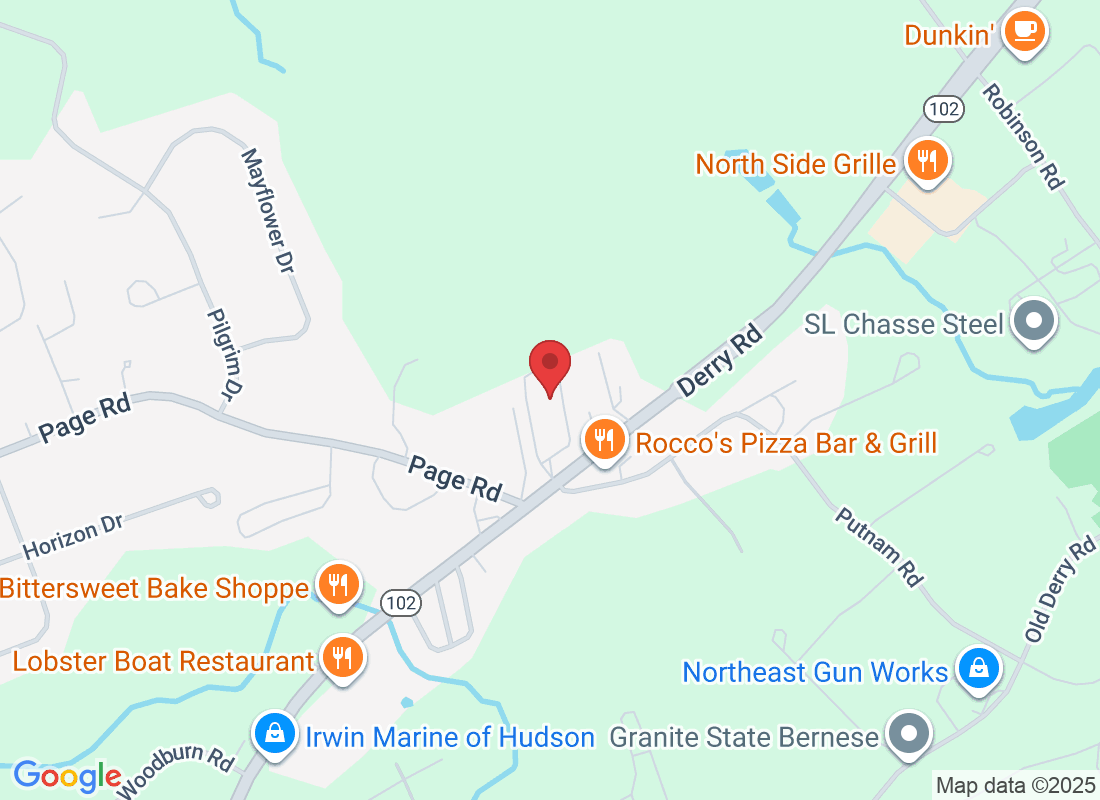
Where To Find Foot & Ankle Associates of Southern NH
If you have any questions before scheduling an appointment or for general inquiries, please use the contact us button below. Our team will promptly reach out to assist you.
Opening Hours
Monday: 8:00am – 5:00pm
Tuesday: 8:00am – 5:00pm
Wednesday: 8:00am – 2:00pm
Thursday: 8:00am – 5:00pm
Friday: 8:00am – 2:00pm
Saturday: Closed
Sunday: Closed