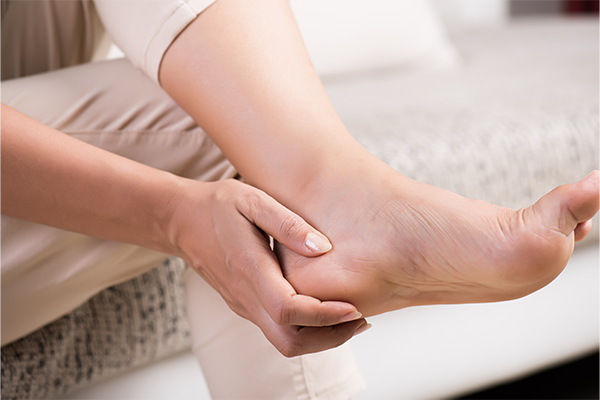
How Walking Form Affects Your Feet
Understanding the Impact of Walking Form on Foot Health
At Foot & Ankle Associates of Southern NH, located in Derry, New Hampshire, we prioritize your foot health and well-being. Many individuals may not realize that their walking form significantly affects the health of their feet. Poor walking mechanics can lead to a variety of foot-related issues, including plantar fasciitis, flat feet, and overuse injuries. This article explores how walking form impacts your feet and how you can improve your gait for better foot health.
What Causes Poor Walking Form?
Poor walking form can stem from a variety of factors, including:
- Footwear: Inappropriate or worn-out shoes can lead to misalignment and improper foot mechanics.
- Posture: Poor posture can result in an improper distribution of weight on the feet, altering movement patterns.
- Anatomical Variations: Structural differences in feet, such as high arches or flat feet, can affect walking mechanics.
- Muscle Imbalances: Weakness or tightness in specific muscle groups can lead to adjustments in walking form.
How Does Walking Form Affect Your Feet?
The way you walk can have significant implications for foot conditions. Here are some common effects of poor walking form:
- Increased Risk of Injuries: Improper gait mechanics can lead to repetitive strain injuries like Achilles tendinitis or stress fractures.
- Foot Pain: Conditions such as plantar fasciitis are often aggravated by poor foot alignment and walking mechanics.
- Joint Problems: Poor walking form can impact the alignment of joints not just in the feet, but also in the knees and hips, resulting in chronic pain.
How Can I Improve My Walking Form?
Improving your walking form is crucial for maintaining healthy feet and preventing injuries. Here are some practical tips:
- Choose Proper Footwear: Invest in good-quality, supportive shoes that fit well and are appropriate for your activities.
- Practice Good Posture: Ensure your head is up, back straight, and shoulders back while walking.
- Strengthen Your Feet and Legs: Incorporate exercises that strengthen foot and leg muscles, such as calf raises and toe curls.
- Consult a Podiatrist: If you have persistent pain or trouble with your walking form, schedule an appointment with a podiatrist at Foot & Ankle Associates of Southern NH for a thorough evaluation.
What Foot Conditions are Linked to Gait Issues?
Several foot conditions can be linked to poor gait mechanics, including:
- Plantar Fasciitis: Inflammation of the plantar fascia often occurs due to excessive strain from improper walking.
- Achilles Tendinitis: Misaligned walking can contribute to stress on the Achilles tendon.
- Flat Feet: Overpronation, a common gait abnormality, can lead to flatfoot conditions.
- Metatarsalgia: Pain in the ball of the foot can result from abnormal pressure distribution during walking.
How Can I Treat Issues Related to Walking Form?
Treatment options for foot conditions arising from poor walking form vary depending on the specific issue but may include:
- Physical Therapy: Working with a physical therapist can help correct gait mechanics.
- Orthotics: Custom orthotics can provide additional support and correct alignment issues.
- Stretching Exercises: Stretching tight muscles, particularly in the calves and feet, can improve flexibility and walking form.
- Surgery: In severe cases, surgical intervention may be necessary to address structural issues.
FAQ
1. How do I know if my walking form is affecting my feet?
If you experience recurring foot pain or discomfort, it may indicate an issue with your walking form. Consulting a specialist can provide clarity.
2. Can changing my footwear improve my walking form?
Yes, wearing shoes that provide adequate support and cushioning can significantly enhance your walking mechanics.
3. What exercises can help improve walking form?
Exercises that target the feet, ankles, and lower legs—such as calf raises, foot curls, and balance exercises—can be highly beneficial.
4. When should I see a podiatrist for gait issues?
If you experience persistent foot pain, discomfort, or instability while walking, it’s advisable to seek an evaluation from a podiatrist.
5. Are there specific shoes for different foot conditions?
Yes, many brands offer specialized shoes designed to support various foot conditions. A podiatrist can recommend the best options based on your specific needs.
Conclusion
Understanding how your walking form affects your feet is critical for maintaining good foot health and preventing injury. At Foot & Ankle Associates of Southern NH in Derry, New Hampshire, we are committed to helping you improve your walking mechanics for a healthier future. If you have concerns about your walking form or foot health, don’t hesitate to book an appointment with us today!
