The Role of Diagnostic Imaging in Identifying Foot Injuries
Foot pain can be debilitating, making it difficult to perform everyday activities. Accurately diagnosing the underlying cause is crucial for effective treatment. Diagnostic imaging plays a vital role in helping healthcare professionals identify a wide range of foot injuries.
Understanding the Importance of Diagnostic Imaging
Diagnostic imaging techniques provide detailed visual representations of the internal structures of your foot. These images help your podiatrist to:
Visualize bone fractures: X-rays are commonly used to detect broken bones, which are often associated with foot injuries.
Identify soft tissue damage: MRI scans can reveal damage to ligaments, tendons, muscles, and cartilage.
Detect arthritis: X-rays and MRI scans can help diagnose different types of arthritis, such as osteoarthritis or rheumatoid arthritis.
Evaluate bone and joint alignment: Imaging studies can assess the alignment of bones and joints, helping to identify conditions like bunions or hammertoes.
Detect infections: In some cases, imaging studies can help identify infections in the foot.
Types of Diagnostic Imaging Used for Foot Injuries
Several imaging techniques are used to diagnose foot injuries:
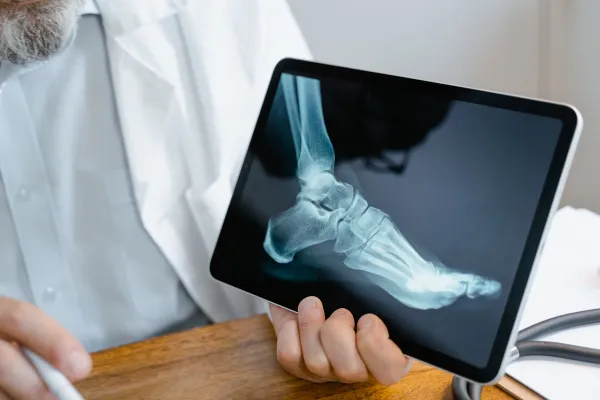
X-rays: These are the most common type of imaging used for foot injuries. They provide clear images of bones and can help detect fractures, dislocations, and arthritis.
MRI (Magnetic Resonance Imaging): MRI scans create detailed images of soft tissues, including muscles, ligaments, tendons, and cartilage. They are helpful in diagnosing conditions like plantar fasciitis, Achilles tendonitis, and stress fractures.
Ultrasound: This imaging technique uses sound waves to create images of soft tissues. It is often used to evaluate tendons and ligaments and to guide procedures like injections.
CT (Computed Tomography) scans: CT scans provide detailed cross-sectional images of bones and soft tissues. They are often used to evaluate complex foot injuries or when other imaging studies are inconclusive.
When to Consider Diagnostic Imaging
If you are experiencing persistent foot pain or have suffered a significant foot injury, your podiatrist may recommend diagnostic imaging. They will carefully evaluate your symptoms and medical history to determine the most appropriate imaging study.
At Foot and Ankles Associates of Southern NH, we utilize the latest diagnostic imaging technology to accurately diagnose and treat a wide range of foot conditions. Our experienced podiatrists will work with you to develop a personalized treatment plan to help you get back on your feet.
Disclaimer. This blog post is intended for informational purposes only and should not be a substitute for professional medical advice. Always consult with a qualified physician to discuss your treatment options
