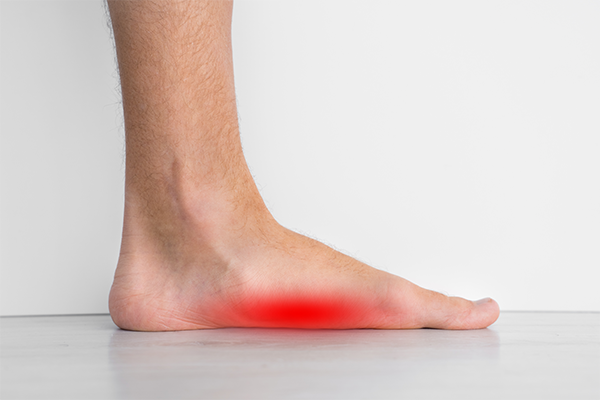
How to Return to Activity After a Foot Injury Without Setbacks
Introduction
Experiencing a foot injury can be a significant setback for anyone, whether you are an athlete or simply enjoy staying active. At Foot & Ankle Associates of Southern NH in Derry, New Hampshire, our team understands the importance of a safe and effective return to activity post-injury. This article provides comprehensive guidance on how to resume your usual activities without setbacks, based on current medical knowledge and best practices.
What Are Common Foot Injuries?
Several types of injuries can affect the foot, leading to pain, inflammation, and reduced mobility. Common foot injuries include:
- Plantar Fasciitis
- Stress Fractures
- Achilles Tendinitis
- Ankle Sprains
- Metatarsalgia
What Causes Setbacks After a Foot Injury?
Setbacks can occur for various reasons, including:
- Returning to activity too soon
- Inadequate rehabilitation or exercises
- Poor biomechanics or inappropriate footwear
- Lack of attention to body signals
Understanding these factors can help you mitigate the risks associated with resuming physical activity.
How Can I Safely Return to Activity After a Foot Injury?
Returning to activity involves a step-by-step approach that allows your body to adjust and heal adequately. Here are actionable steps to consider:
1. Consult with a Podiatrist
Before you begin any physical activity, it’s essential to get a professional evaluation from a podiatrist. They can assess the extent of your injury, recommend appropriate treatment options, and design a personalized rehabilitation plan.
2. Start with Non-Weight Bearing Activities
Initially, focus on non-weight bearing activities to maintain fitness without stressing the injured foot. Swimming and cycling are excellent options that keep you active while reducing impact.
3. Gradually Reintroduce Weight Bearing
Follow your podiatrist’s guides to gradually introduce weight bearing activities. Start with short durations and low-impact exercises, such as walking on a flat surface.
4. Use Proper Footwear
Wearing appropriate footwear plays a crucial role in your recovery process. Invest in supportive shoes that provide adequate cushioning and do not aggravate your condition. Your podiatrist may suggest custom orthotics to improve your foot mechanics.
5. Incorporate Rehabilitation Exercises
Rehabilitation exercises are necessary to restore strength, flexibility, and endurance in the injured foot. Consider exercises such as:
- Toe stretches
- Calf raises
- Resistance band workouts
- Balance exercises
Always perform these under guidance to ensure effectiveness and safety.
6. Listen to Your Body
Monitoring your body’s response during the recovery phase is crucial. Look out for signs such as:
- Increase in pain
- Swelling
- Stiffness
If you experience any of these symptoms, take a step back and consult your podiatrist.
How Long Does Recovery Typically Take?
Recovery timelines can vary significantly based on the severity of the injury and individual health factors. Minor injuries may take a few weeks, while more severe injuries, like stress fractures, could need several months of recovery. Your podiatrist will provide an estimated timeline tailored to your specific situation.
FAQs
1. When can I start running again after a foot injury?
The timeframe to safely return to running varies but typically ranges from a few weeks to several months post-injury. Always consult your podiatrist before resuming running.
2. Should I use ice therapy after an injury?
Yes, applying ice can reduce swelling and alleviate pain. Ice should generally be applied for 15-20 minutes every hour for the first 48 hours post-injury.
3. Can physical therapy help my recovery?
Absolutely! A physical therapist can provide targeted exercises and treatments that enhance recovery and prevent future injuries.
4. Is it safe to walk barefoot during recovery?
Walking barefoot can sometimes aggravate an injury. It is usually safer to wear supportive footwear until you are fully healed.
5. How can I prevent future injuries?
Preventing future injuries involves wearing proper footwear, maintaining flexibility, strengthening foot muscles, and gradually increasing activity levels.
Conclusion
Returning to activity after a foot injury is a process that requires patience, professional guidance, and a structured plan. At Foot & Ankle Associates of Southern NH in Derry, New Hampshire, we are dedicated to helping you achieve a healthy, injury-free return to the activities you love. If you are ready to start your recovery journey, schedule an appointment with us today.
