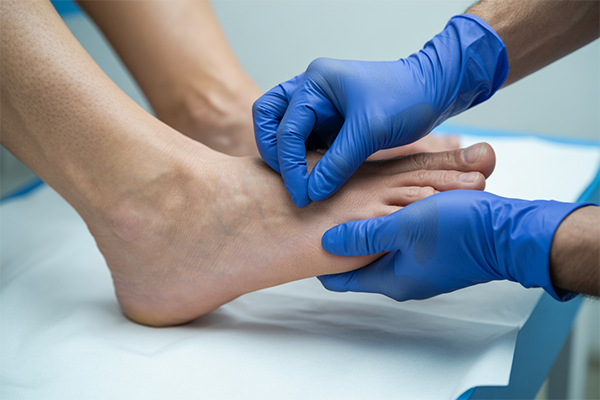
Preventing Foot Pain from Exercise – Derry, New Hampshire Tips
Introduction
At Foot & Ankle Associates of Southern NH in Derry, New Hampshire, we understand the importance of maintaining an active lifestyle. However, many individuals experience foot pain as a result of exercise. This blog post aims to provide you with evidence-based tips to prevent foot pain while exercising, ensuring you can engage in your favorite activities without the discomfort that often accompanies them.
What Causes Foot Pain During Exercise?
Foot pain during exercise can arise from a variety of factors. Understanding these causes can help you take the necessary steps to prevent discomfort:
- Improper Footwear: Shoes that do not provide adequate support or fit poorly can lead to pain.
- Overuse Injuries: Repetitive stress on the foot can cause conditions such as plantar fasciitis and Achilles tendinitis.
- Biomechanical Issues: Structural problems, like flat feet or high arches, can contribute to uneven weight distribution.
- Pre-existing Conditions: Conditions like arthritis or neuropathy can worsen during physical activity.
How Can I Prevent Foot Pain from Exercise?
Prevention is key to avoiding foot pain and maintaining an active lifestyle. Here are some effective tips:
Choose the Right Footwear
Investing in quality athletic shoes designed for your specific activity is crucial. Look for features such as:
- Good arch support
- Proper cushioning
- A snug fit without being too tight
- Flexibility for natural foot movement
Start Slowly and Increase Gradually
If you are new to exercise or returning after a break, begin with low-impact activities and gradually increase intensity. This approach allows your feet to adapt without excessive strain.
Incorporate Flexibility and Strength Training
Flexibility and strength exercises help stabilize the foot and ankle. Consider incorporating:
- Calf stretches to alleviate tension in the Achilles tendon
- Foot roll exercises using a tennis ball to massage the plantar fascia
- Toe raises to strengthen the foot muscles
Listen to Your Body
Pay attention to any discomfort during or after physical activity. Rest and seek professional advice if you experience persistent pain. Ignoring these signs may lead to more severe injuries.
Utilize Orthotics When Necessary
Custom orthotics can provide additional support and alignment correction. Consulting with a podiatrist can determine if orthotics are suitable for you based on your foot structure and activity level.
What Foot Conditions Should I Be Aware Of?
To better protect your feet while exercising, it’s essential to be aware of common conditions that may lead to pain:
- Plantar Fasciitis: Inflammation of the tissue along the bottom of the foot, causing heel pain.
- Achilles Tendinitis: Inflammation of the Achilles tendon, leading to pain at the back of the heel.
- Morton’s Neuroma: A thickening of tissue around a nerve between the toes, causing sharp pain.
- Bunions: A bony bump at the base of the big toe which can become painful with improper footwear.
How Can I Treat Foot Pain If It Occurs?
If you experience foot pain despite taking precautions, several treatment options are available:
- Rest and Ice: Resting the affected area and applying ice can reduce inflammation and alleviate pain.
- Over-the-Counter Pain Relief: Non-steroidal anti-inflammatory drugs (NSAIDs), such as ibuprofen, can help manage pain.
- Physical Therapy: A physical therapist can recommend exercises to strengthen your feet and promote recovery.
- Consult a Podiatrist: If pain persists, it’s essential to seek professional evaluation and treatment.
FAQ
1. When should I see a doctor about my foot pain?
It's advisable to consult a healthcare professional if your pain is severe, lasts more than a few days, or interferes with daily activities.
2. Do custom orthotics really help with foot pain?
Yes, custom orthotics can provide personalized support and alignment for your feet, which may alleviate pain associated with various foot conditions.
3. What types of exercises are best for foot strength?
Low-impact exercises like swimming, cycling, and yoga can promote foot strength without adding undue stress.
4. Can foot pain be a sign of a more serious condition?
Yes, chronic foot pain may indicate underlying issues such as arthritis, tendonitis, or peripheral neuropathy. A thorough evaluation is necessary for accurate diagnosis.
5. How can I find the right shoes for my foot type?
Consider visiting a specialty running store for an assessment of your foot type, or consult a podiatrist for tailored recommendations.
Conclusion
Preventing foot pain during exercise is crucial for maintaining a healthy and active lifestyle. By following these evidence-based tips and being mindful of your foot health, you can enjoy pain-free physical activity. If you have further questions or wish to address any foot pain concerns, please reach out to us at Foot & Ankle Associates of Southern NH in Derry, New Hampshire. We are dedicated to helping you achieve optimal foot health. Book an appointment today!
