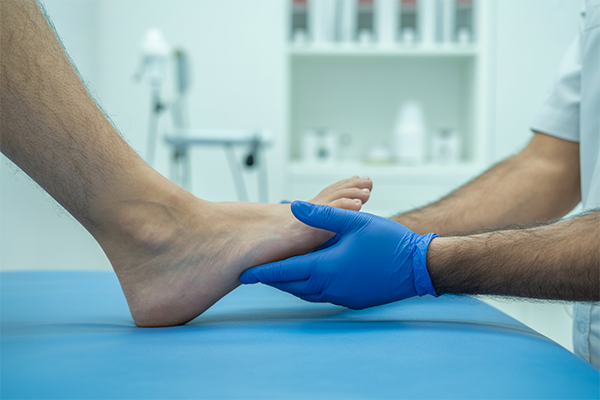
The Healing Timeline for Plantar Fasciitis: What to Expect
The Healing Timeline for Plantar Fasciitis: What to Expect
Welcome to Foot & Ankle Associates of Southern NH, located in Derry, New Hampshire. If you're dealing with heel pain, you may be suffering from plantar fasciitis, one of the most common musculoskeletal conditions affecting the foot. Understanding the healing timeline for plantar fasciitis can help set realistic expectations and guide you toward effective treatment options.
What is Plantar Fasciitis?
Plantar fasciitis occurs when the plantar fascia, a thick band of tissue that runs across the bottom of your foot, becomes inflamed. This inflammation can result from overuse, improper footwear, or excessive weight. The main symptom is a sharp pain in the heel, often felt first thing in the morning or after prolonged periods of standing or sitting.
What Causes Plantar Fasciitis?
Several factors contribute to the development of plantar fasciitis, including:
- Age: Individuals aged 40 to 60 are more prone to this condition.
- Foot mechanics: Flat feet, high arches, or unnatural walking patterns can strain the plantar fascia.
- Obesity: Excess weight increases stress on the plantar fascia.
- Occupation: Jobs that require prolonged standing or walking can increase risk.
- Improper footwear: Shoes lacking proper arch support or cushioning can lead to pain.
How Is Plantar Fasciitis Diagnosed?
Diagnosis typically involves a thorough medical history and a physical examination by a podiatrist. Imaging tests like X-rays may be utilized to rule out other conditions or verify heel spurs, which are sometimes associated with plantar fasciitis.
What Are the Treatment Options for Plantar Fasciitis?
Effective treatment for plantar fasciitis generally falls into several categories:
- Rest: Limiting activities that exacerbate pain is crucial.
- Ice Therapy: Applying ice packs can reduce inflammation and relieve pain.
- Stretching Exercises: Focused stretching of the Achilles tendon and plantar fascia can help improve flexibility.
- Orthotic Devices: Custom insoles or arch supports can alleviate pressure on the plantar fascia.
- Medications: Nonsteroidal anti-inflammatory drugs (NSAIDs) may help reduce pain and inflammation.
- Physical Therapy: A therapist can guide you through exercises to strengthen and stretch the foot.
- Injections: Corticosteroid injections may be used in more severe cases.
- Surgery: Rarely, surgery is considered if conservative treatments fail after several months.
What Is the Healing Timeline for Plantar Fasciitis?
The healing timeline for plantar fasciitis varies from person to person, influenced by factors like the severity of the condition and adherence to the treatment plan. Here’s a short breakdown of what you can typically expect:
1-2 Weeks: Initial Treatment Phase
During this period, rest and ice may lead to some initial improvements in pain. Focus on reducing inflammation through conservative treatments.
3-6 Weeks: Active Rehabilitation Phase
At this stage, you should start incorporating stretching and strengthening exercises. Many patients begin to notice significant pain relief as they follow their treatment plan closely.
6 Weeks - 3 Months: Recovery Phase
Continued adherence to treatment can lead to further improvements. Many people find that pain decreases considerably, allowing them to return to normal activities.
3-6 Months: Full Recovery Phase
While some patients may experience complete resolution of symptoms, others might continue with minor discomfort. Continued exercise and proper footwear remain crucial.
How Can I Prevent Plantar Fasciitis?
Preventing plantar fasciitis involves a few key practices:
- Choose supportive footwear with adequate arch support and cushioning.
- Maintain a healthy weight to reduce stress on your feet.
- Incorporate stretching and strengthening exercises into your routine.
- Gradually increase activity levels to avoid sudden stress on the feet.
FAQ
1. Can plantar fasciitis heal on its own?
While some cases may resolve naturally with rest and conservative care, most people benefit from a structured treatment plan.
2. Are there specific stretches for plantar fasciitis?
Yes, calf stretches, toe stretches, and a plantar fascia stretch can be very beneficial.
3. How long should I rest from activities?
Resting for at least a few days to a week is advisable; however, complete immobilization is not typically recommended.
4. Can I continue exercising with plantar fasciitis?
Low-impact activities such as swimming or cycling can usually be performed, but high-impact sports should be avoided until fully healed.
5. When should I seek professional help?
If pain persists beyond a few weeks of conservative treatment, it’s important to consult with a podiatrist for personalized care.
At Foot & Ankle Associates of Southern NH in Derry, New Hampshire, we’re dedicated to helping you find relief from plantar fasciitis and other foot conditions. If you’re experiencing heel pain, don’t hesitate to book an appointment online today, and let us help you get back on your feet.
