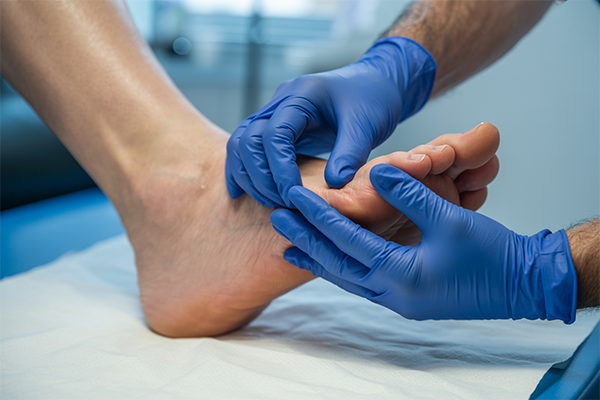
Do You Need Orthotics in Both Shoes? Derry, New Hampshire Weighs In
Understanding Orthotics: Do You Need Them in Both Shoes?
At Foot & Ankle Associates of Southern NH in Derry, New Hampshire, we often receive questions about orthotics and their necessity. Many patients wonder, “Do I need to wear orthotics in both shoes?” To help you understand the role of orthotics and their benefits, let’s delve into their function, indications, and whether they should be worn in both shoes.
What Are Orthotics?
Orthotics are custom-made or over-the-counter shoe inserts designed to provide support, align the foot, and enhance overall foot function. They can help alleviate pain and discomfort caused by various foot conditions, including:
- Plantar fasciitis
- Achilles tendonitis
- Flat feet (pes planus)
- High arches (pes cavus)
- Metatarsalgia
How Do Orthotics Work?
Orthotics function by redistributing pressure across your feet, correcting abnormal walking patterns, and enhancing stability. They can improve the biomechanics of the foot and lower extremities, which can prevent further complications such as knee, hip, or back pain. When properly prescribed, orthotics can greatly enhance your quality of life.
Do You Really Need Orthotics in Both Shoes?
The need for orthotics in both shoes often depends on individual foot mechanics and lifestyle. Here are some factors to consider:
- Foot Conditions: If you have a diagnosed foot condition affecting both feet, it is generally advisable to use orthotics in both shoes. This ensures balanced support and reduces the risk of compensatory issues.
- Type of Activity: Consider how often you engage in activities that might aggravate your condition. If you frequently switch between different types of shoes, such as from sneakers to dress shoes, wearing orthotics in both can help maintain consistent support.
- Prescription Guidelines: Follow your podiatrist’s guidance on the use of orthotics. Some patients may be advised to wear them only during certain activities to prevent dependency, while others may require consistent support.
What Are the Risks of Not Wearing Orthotics in Both Shoes?
Neglecting to wear orthotics in both shoes can lead to several outcomes:
- Imbalance: Wearing only one orthotic can create an imbalance between your feet, potentially leading to uneven wear, increased pain, or new injuries.
- Compensatory Issues: Without orthotics in both shoes, you may unconsciously change your gait to compensate, which can affect your knees, hips, and back.
- Reduced Effectiveness: Orthotics work best when used consistently. Using them intermittently might negate the benefits and prolong pain or discomfort.
How Can I Treat Foot Pain Without Orthotics?
If orthotics are not suitable for you, there are several other treatment options to consider:
- Physical Therapy: A physical therapist can help develop exercises that strengthen the muscles around your foot and ankle, improving mobility and reducing pain.
- Footwear Modification: Investing in well-fitted, supportive footwear can significantly alleviate issues. Look for shoes with good arch support and cushioning.
- Stretching Exercises: Regular stretching of the calf muscles and plantar fascia can help improve flexibility and decrease tension.
What Should I Do Next?
At Foot & Ankle Associates of Southern NH, our team of experienced podiatrists can evaluate your foot mechanics and provide personalized recommendations. If you’re experiencing foot pain or uncertainty about the need for orthotics, it's essential to consult with a professional who can guide you in making the best choice for your needs.
Frequently Asked Questions
1. How long does it take to get used to wearing orthotics?
Most patients require a break-in period of a few days to a couple of weeks to adjust fully to wearing orthotics. Start by wearing them for a few hours daily, gradually increasing the duration.
2. Can orthotics be used for high arches?
Yes, custom orthotics can be designed specifically for individuals with high arches to provide necessary support and cushioning.
3. Are there specific shoes recommended for wearing orthotics?
Look for shoes with removable insoles and sufficient depth to accommodate the orthotics. Running shoes and supportive walking shoes are often recommended.
4. How often should I replace my orthotics?
Orthotics should be replaced every 1-2 years, depending on wear and tear. If you notice any changes in comfort or support, it may be time for a replacement.
5. Are over-the-counter orthotics effective?
While over-the-counter options may provide some support, custom orthotics are designed to meet your specific needs, offering better alignment and pain relief.
Get the Help You Need Today
If you're still uncertain about the need for orthotics or are suffering from foot pain, our expert team at Foot & Ankle Associates of Southern NH is here to help. Schedule your consultation today to receive personalized advice tailored to your unique foot health needs. Book your appointment now!
