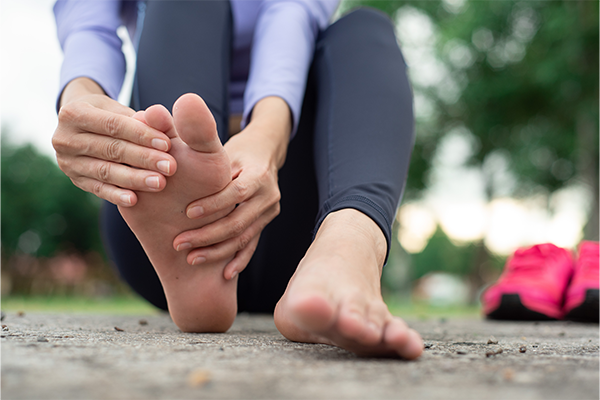
How Activity Level Impacts Foot Health
Understanding the Connection Between Activity Levels and Foot Health
At Foot & Ankle Associates of Southern NH, located in Derry, New Hampshire, we recognize that an individual's activity level plays a crucial role in their foot health. Engaging in physical activities can promote overall health, but it can also lead to specific foot conditions if not managed properly. This article will explore how your activity level impacts your foot health and the ways to maintain strong, healthy feet.
What Causes Foot Pain During Physical Activity?
When you engage in physical activity, various factors can contribute to foot pain, including:
- Improper Footwear: Shoes that lack proper support can lead to conditions such as plantar fasciitis and ligament strains.
- Overuse Injuries: Repetitive stress from high-intensity activities may cause stress fractures or tendinitis.
- Biomechanical Issues: Problems with your gait or foot structure (like flat feet or high arches) can exacerbate pain during exercise.
How Can Different Activity Levels Affect Foot Health?
The impact of activity level on foot health varies significantly based on the intensity and duration of physical activities:
Low Activity Levels
Inadequate movement can lead to:
- Weak Muscles: Insufficient activity can weaken the muscles in your feet and lower legs, making you more susceptible to injuries.
- Poor Circulation: Reduced blood flow to the feet can impede healing and lead to chronic conditions.
Moderate Activity Levels
Engaging in regular, moderate exercise can improve foot health by:
- Strengthening Muscles: Activities like walking or cycling can help maintain muscle tone and flexibility.
- Improving Joint Mobility: Low-impact exercises can enhance the range of motion in your feet and ankles.
High Activity Levels
Intense physical activity without proper preparation can increase the risk of foot injuries, such as:
- Plantar Fasciitis: Inflammation of the plantar fascia due to excessive strain.
- Achilles Tendinitis: Overuse can lead to inflammation of the Achilles tendon.
How Can I Treat Foot Problems Associated with Activity Levels?
If you experience foot pain, here are some effective treatment options:
- Rest and Ice: Allow your feet to recover by resting and applying ice to reduce inflammation.
- Stretching and Strengthening Exercises: Engage in specific exercises designed to improve flexibility and strength post-activity.
- Proper Footwear: Invest in supportive shoes that are appropriate for your specific activity level and foot needs.
- Orthotics: Custom orthotic devices can offer additional support, especially for those with biomechanical issues.
What Foot Conditions Should I Be Aware Of?
There are several common foot conditions linked to activity levels:
- Bunions: Misalignment of the big toe can lead to bunions, often aggravated by tight shoes during high-impact activities.
- Morton's Neuroma: A painful condition involving the thickening of tissue around the nerves leading to the toes, often causing discomfort with certain activities.
- Heel Spurs: Calcium deposits on the underside of the heel bone can result from excessive strain during physical activity.
Preventive Measures for Optimal Foot Health
To maintain optimal foot health, consider the following preventive measures:
- Warm-Up and Cool Down: Always include a proper warm-up and cool-down in your exercise regimen.
- Choose the Right Footwear: Select shoes that cater to your unique foot shape and the specific demands of your activities.
- Stay Hydrated: Keep your body well-hydrated to help prevent cramps and support overall muscle function.
- Listen to Your Body: Be aware of pain signals and adjust your activity level accordingly to prevent injuries.
Frequently Asked Questions (FAQ)
1. What are the signs I should see a podiatrist?
Seek professional help if you experience persistent foot pain, swelling, or changes in the skin and nail health.
2. How often should I replace my athletic shoes?
Generally, athletic shoes should be replaced every 300-500 miles, depending on your activity level and shoe type.
3. Can stretching prevent foot injuries?
Yes, stretching can improve flexibility and strength, reducing the risk of injuries during physical activity.
4. Are custom orthotics necessary for everyone?
Not everyone needs custom orthotics, but they can provide significant benefits for individuals with specific foot conditions or biomechanical abnormalities.
5. How can I strengthen my feet at home?
Simple exercises, like toe curls, heel raises, and using a resistance band, can strengthen your foot muscles effectively at home.
Conclusion
Understanding how activity levels impact your foot health is essential for preventing injuries and promoting overall well-being. Maintaining an appropriate level of physical activity, along with proper footwear and preventive care, can significantly enhance your foot health. At Foot & Ankle Associates of Southern NH in Derry, New Hampshire, we are here to help you achieve optimal foot health. If you are experiencing foot pain or would like to learn more about maintaining your foot health, please book an appointment with our specialists today.
